



What's Happening?
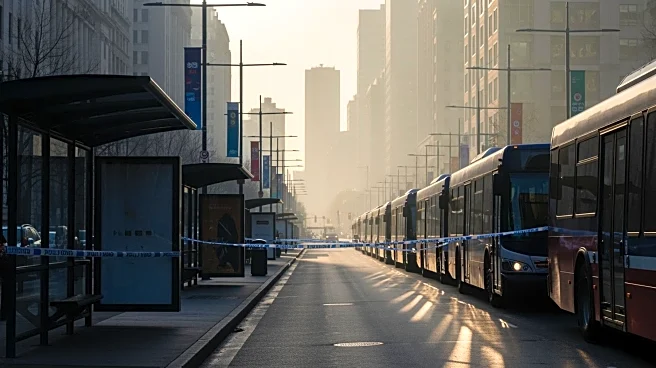
In Bolivia, a transportation strike has brought major cities like La Paz and Santa Cruz to a standstill. The strike is in response to a 100% increase in fuel prices implemented by the new government. Public transportation workers are demanding the reversal
of this price hike, which has led to soaring food and transportation costs. The government, led by President Rodrigo Paz, has stated that the price increase is necessary to stabilize the economy, which has been struggling with high inflation and a fiscal deficit. Despite public outcry, the government remains firm on its decision, citing the need to end a cycle of economic mismanagement.
Why It's Important?
The strike highlights the economic challenges facing Bolivia, as the government attempts to address fiscal deficits and inflation. The fuel price hike is part of broader economic reforms aimed at stabilizing the country's finances, but it has sparked significant public unrest. The situation underscores the tension between necessary economic reforms and their immediate impact on citizens' daily lives. The government's stance could lead to further protests, potentially affecting Bolivia's political stability and economic recovery efforts. The international community, including U.S. business leaders, is closely monitoring the situation, given its implications for regional economic stability.
What's Next?
If the government does not address the transportation workers' demands, the protests could escalate, leading to more widespread disruptions. The government may need to engage in negotiations to find a compromise that addresses both economic needs and public concerns. Additionally, the success or failure of these reforms could influence future policy decisions and the political landscape in Bolivia. The international community, particularly investors, will be watching closely to see how the government manages this crisis and whether it can maintain economic stability while addressing public discontent.