





What's Happening?
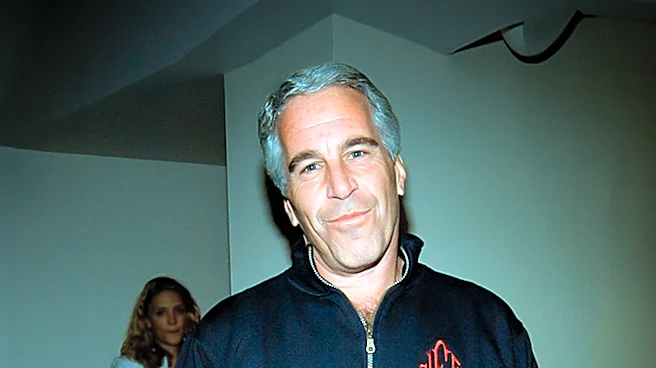
Senate Democrats have released a report accusing major U.S. banks, including JPMorganChase, Bank of America, and Deutsche Bank, of failing to report suspicious financial transactions made by Jeffrey Epstein. The report, released by Sen. Ron Wyden of Oregon,
highlights that these banks were aware of Epstein's suspicious activities as early as 2002 but did not alert federal authorities until after his arrest in 2019. The report is based on a review of Treasury reports, internal bank records, and legal filings. Under the Bank Secrecy Act, banks are required to notify the government of any suspected illegal activities, such as money laundering. The report criticizes the banks for allowing Epstein to conduct transactions that facilitated his criminal activities.
Why It's Important?
The report underscores significant lapses in the financial oversight system, raising questions about the accountability of major financial institutions in preventing illegal activities. The failure to report Epstein's transactions allowed him to continue his criminal activities unchecked for years. This situation highlights the need for stricter enforcement of financial regulations and more robust compliance measures within banks. The findings could lead to increased scrutiny of financial institutions and potential regulatory reforms aimed at preventing similar oversights in the future. The case also emphasizes the broader issue of how financial systems can be exploited by individuals engaged in criminal activities.
What's Next?
Senate Democrats are urging the Justice Department to investigate why the banks did not file timely suspicious activity reports regarding Epstein. They are also calling for tighter reporting requirements to prevent future lapses. Deutsche Bank has expressed regret over its past association with Epstein and stated its commitment to improving its compliance measures. Bank of America has denied any wrongdoing, while JPMorganChase has not commented. The outcome of these investigations and potential regulatory changes could have significant implications for the banking industry and its role in preventing financial crimes.