





What's Happening?
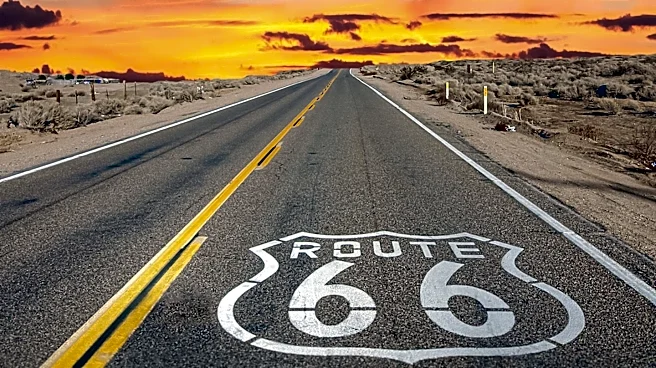
The J.M. Davis Arms and Historical Museum in Claremore, Oklahoma, has unveiled a new 20-foot tall neon colt pistol landmark along Route 66. This project, which has been in development for over a year, is part of the museum's celebration of the Route 66 Centennial.
The unveiling event, held on a Friday night, featured live music, food, and a silent auction, alongside free trick-or-treating for families. Randy Ramer, representing the museum, highlighted the historical connection between J.M. Davis's collection and the iconic Mother Road. He explained that Cyrus Avery, a key figure in Route 66's development, held meetings in Claremore in 1924 to secure funding for the highway, with Mr. Davis being involved from the outset. Over time, Davis's collecting activities became directly linked to the highway as a tourist attraction, solidifying the museum's place in Route 66 history.
Why It's Important?
The installation of this new neon landmark is significant for several reasons. It serves as a prominent visual attraction, drawing tourists and enthusiasts to Claremore and the J.M. Davis Arms and Historical Museum, thereby boosting local tourism and economic activity. For Route 66, which is celebrating its centennial, such landmarks help preserve its historical and cultural legacy, reminding visitors of its past as a vital artery for travel and commerce. The project also reinforces the unique connection between local history, as embodied by J.M. Davis's collection, and the broader narrative of American road culture. By investing in such attractions, communities along Route 66 aim to maintain its allure and ensure its continued relevance as a heritage destination, contributing to the ongoing revitalization efforts along the historic highway.
What's Next?
The new neon landmark is expected to become a permanent fixture, contributing to the visual identity of Claremore along Route 66. Its presence will likely be integrated into promotional materials for both the museum and regional tourism initiatives, especially as the Route 66 Centennial celebrations continue. The museum may see an increase in visitors drawn by the new attraction, potentially leading to further enhancements or events designed to capitalize on this renewed interest. Local businesses along Route 66 in Claremore could also experience a positive impact from increased tourist traffic. The success of this project might inspire other communities along Route 66 to invest in similar landmark installations, further enriching the historic highway's appeal and ensuring its legacy for future generations of travelers.
Beyond the Headlines
Beyond its immediate impact on tourism, the neon colt pistol landmark symbolizes the enduring appeal of Americana and the preservation of unique cultural heritage. Neon signs, once ubiquitous along American highways, evoke a sense of nostalgia and represent a distinct era of roadside architecture and advertising. This installation contributes to the broader effort to restore and celebrate these iconic elements of American history. It also highlights the role of local museums in connecting specific community narratives with national historical movements, such as the development of the U.S. highway system. The landmark serves as a tangible link between past and present, inviting reflection on how travel, commerce, and local identity have evolved over time, while also fostering a sense of pride and identity within the Claremore community.