





What's Happening?
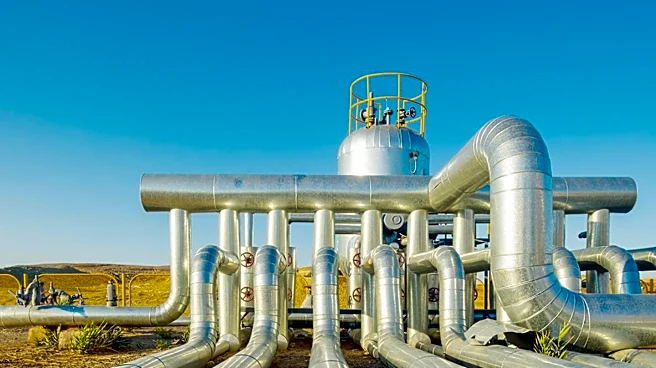
Two Atmos Energy contract workers were hospitalized with non-critical injuries following a pipe explosion in Dallas. The incident occurred during routine maintenance on a pipeline near 1200 Turtle Creek Boulevard, where contractors were pressure testing
the line with air. Dallas Fire-Rescue reported that the gas line somehow exploded during this process. Dallas police assisted with traffic control, and Atmos Energy shut off the gas to the affected line. The explosion did not involve natural gas, and Atmos Energy stated that natural gas service to the area was not affected, nor was there any damage to their pipeline. No civilians or firefighters were injured, and there was no impact on nearby apartments or businesses. Traffic in the area was blocked due to construction, affecting some local businesses. The fire department could not confirm if this incident was related to an earlier gas leak that displaced hundreds of residents over a week prior.
Why It's Important?
This incident highlights the inherent risks associated with infrastructure maintenance, even when natural gas is not directly involved. While the injuries were non-critical and there was no broader impact on gas service or surrounding properties, such events underscore the importance of stringent safety protocols in utility operations. For Atmos Energy, a major natural gas distributor, maintaining public trust and ensuring worker safety are paramount. Any incident, regardless of its severity, can draw scrutiny to their operational procedures and safety records. For the Dallas community, particularly those in the Design District, the event serves as a reminder of the potential hazards of utility work in urban environments. The disruption to traffic and local businesses, even if temporary, can have minor economic ripple effects. Furthermore, the mention of a previous gas leak in the area suggests ongoing concerns about infrastructure integrity and maintenance practices, which could lead to increased public demand for transparency and oversight from utility companies and regulatory bodies.
What's Next?
Atmos Energy will likely conduct a thorough investigation into the cause of the pipe explosion to determine why the pressure testing process led to such an incident. This investigation will aim to identify any procedural lapses, equipment failures, or other contributing factors to prevent future occurrences. Dallas Fire-Rescue and other relevant authorities may also review the incident to ensure compliance with safety regulations. The hospitalized contract workers will receive medical care, and their recovery will be monitored. Atmos Energy will continue its efforts to repair the affected line and restore full operational capacity to the area. The company may also issue further statements regarding the findings of their investigation and any corrective actions taken. Local businesses affected by the traffic blockage will resume normal operations once the area is cleared. The broader community may anticipate updates on the safety of local infrastructure and the measures being implemented to prevent similar incidents.
Beyond the Headlines
The incident, while seemingly isolated, touches upon broader themes of industrial safety, corporate responsibility, and urban development. The fact that the explosion occurred during routine maintenance, and not due to a natural gas leak, points to the complexities of maintaining extensive utility infrastructure. It raises questions about the adequacy of current safety standards for non-gas-related pipeline work and the training provided to contract workers. The proximity of such incidents to residential and commercial areas in a growing city like Dallas also underscores the constant challenge of balancing urban expansion with the maintenance of aging infrastructure. This event could prompt a re-evaluation of safety protocols across the utility sector, potentially leading to stricter regulations or enhanced oversight for all types of pipeline work, not just those involving hazardous materials. It also highlights the often-unseen risks faced by utility workers, whose daily tasks are crucial for urban functioning but can carry significant dangers.