
What's Happening?
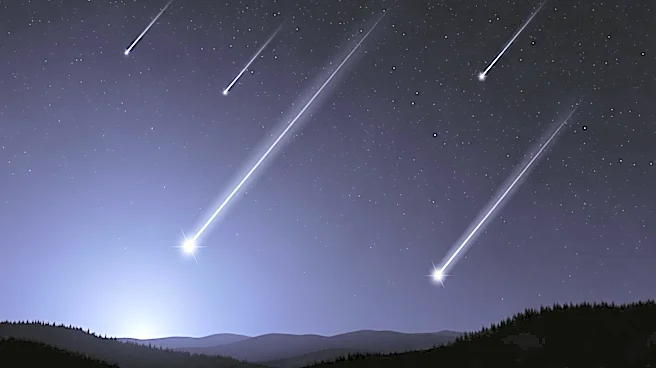
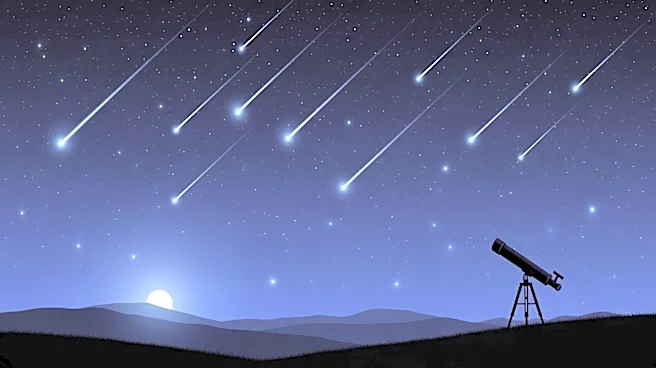
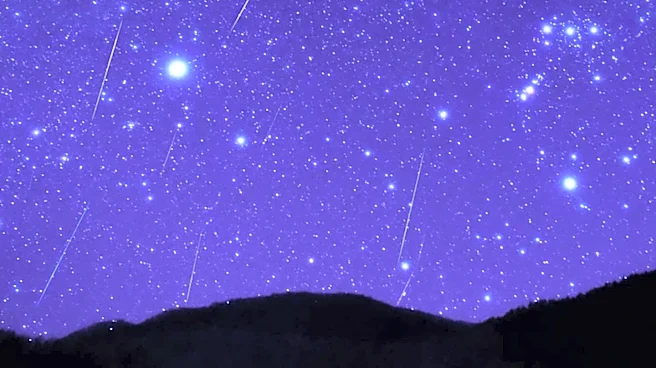
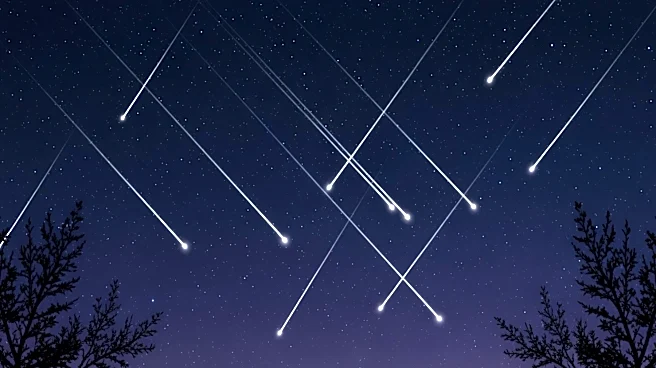
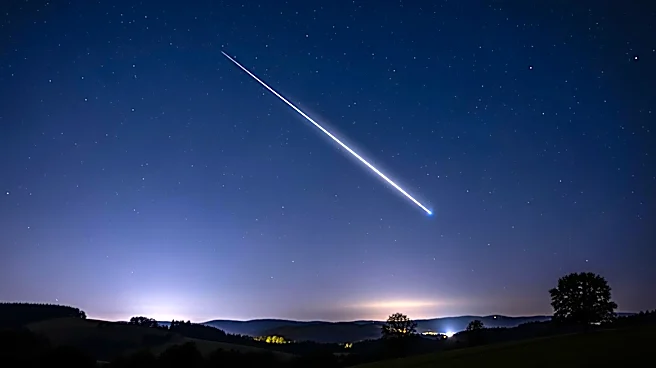
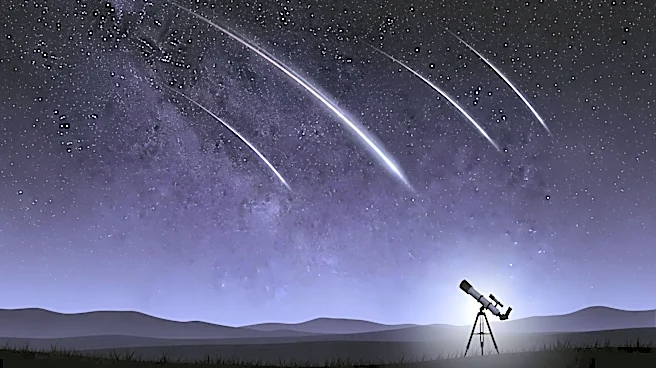
The Lyrid meteor shower is expected to peak on the night of April 21-22, 2026, offering stargazers a chance to witness up to 20 meteors per hour. The event occurs as Earth passes through debris from Comet
Thatcher, with meteors appearing to radiate from the constellation Lyra. Observers are advised to find dark locations away from city lights for the best viewing experience. The shower is visible from midnight to dawn, with the moon setting early to provide a dark sky. The Lyrids are known for their bright meteors, which can be seen without special equipment.
Why It's Important?
The Lyrid meteor shower provides an accessible way for the public to engage with astronomy, promoting interest in space science and natural phenomena. Such events can enhance public understanding of celestial mechanics and the history of cometary debris. The Lyrids also offer educational opportunities for schools and community groups, encouraging outdoor activities and scientific observation. By fostering a connection with the night sky, the meteor shower can inspire future generations of astronomers and scientists, contributing to a broader appreciation of the universe and our place within it.