








What's Happening?
The European Environment Agency (AEMA) has released a new report titled 'Competitive by nature: Europe's long-term competitiveness from a sustainability perspective,' outlining six strategic options to bolster Europe's sustainable competitiveness by 2040.
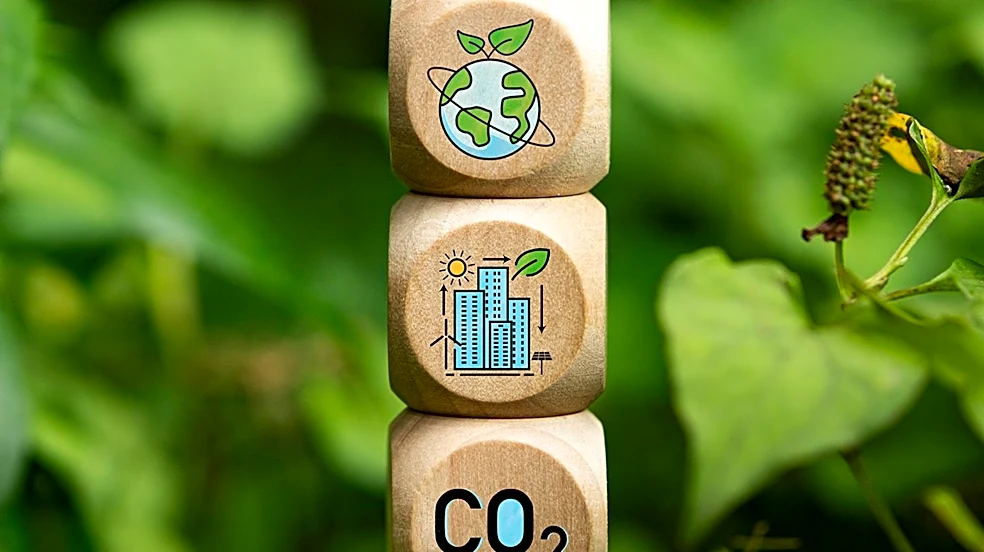
This initiative comes amidst a global landscape characterized by geopolitical shifts, technological disruption, and increased exposure to climate and environmental risks. The report expands the traditional view of competitiveness, which typically focuses on productivity, investment, prices, and economic growth, to include the generation of economic value without depleting natural and social capital. It emphasizes that investing in sustainability is crucial for maintaining long-term prosperity, resilience, and competitive capacity. The identified pathways aim to provide actionable strategies for Europe to navigate future uncertainties and secure its economic future through environmentally and socially responsible practices.
Why It's Important?
This report is significant as it redefines competitiveness to integrate sustainability, suggesting a paradigm shift in economic strategy. For U.S. industries and policymakers, this European approach could signal future global regulatory trends and market demands. As Europe moves towards a more circular economy and invests in climate adaptation and nature-based solutions, U.S. companies operating internationally or engaging in global supply chains may face increasing pressure to adopt similar sustainable practices. The emphasis on strengthening European capabilities in computing, artificial intelligence, and next-generation biotechnology also highlights areas of potential competition and collaboration. Furthermore, Europe's active role in defining global environmental and social sustainability standards could influence international trade agreements and corporate social responsibility expectations, impacting U.S. businesses' operational frameworks and market access.
What's Next?
The AEMA's report serves as a strategic orientation rather than a prescriptive roadmap, suggesting that the immediate next steps involve a coordinated application of existing European policies with increased speed and scale. This will require sustained investment, policy coherence, development of appropriate skills, capable institutions, and flexibility to adapt to evolving technologies, climate risks, and geopolitical conditions. Major stakeholders, including European political leaders, businesses, and civil society groups, are expected to engage in discussions and policy formulation to integrate these six pathways into national and regional strategies. The report also implies a continued push for Europe to maintain a leading role in setting global standards for environmental and social sustainability, which could lead to new international collaborations or regulatory frameworks that impact global commerce and environmental governance.
Beyond the Headlines
Beyond the immediate policy implications, the AEMA's report delves into the deeper ethical and long-term shifts required for sustainable competitiveness. It highlights the need to identify synergies and manage trade-offs between various objectives, such as the electrification of economies reducing fossil fuel dependence but increasing demand for critical materials. The report also cautions against merely shifting risks between sectors, territories, and generations, underscoring a fundamental ethical commitment to intergenerational equity and environmental justice. This holistic view suggests a cultural transformation where economic success is intrinsically linked to ecological health and social well-being. The emphasis on professional capabilities, education, and lifelong learning points to a societal shift towards valuing skills that support sustainable development, potentially influencing educational curricula and workforce development strategies globally.