



What's Happening?
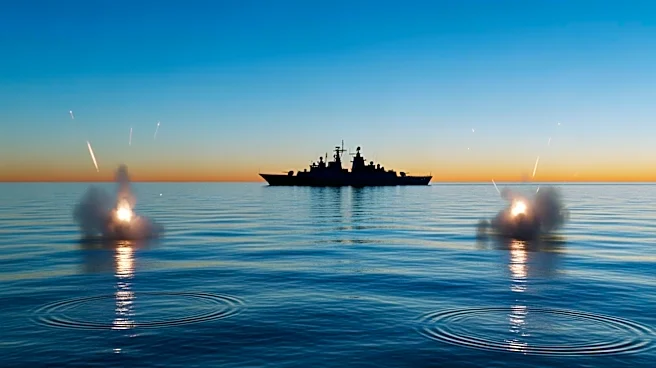
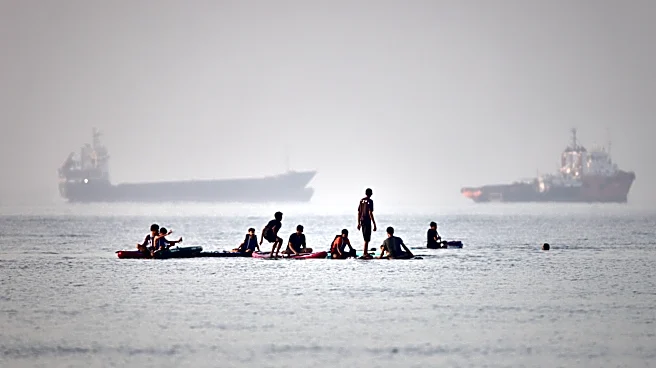
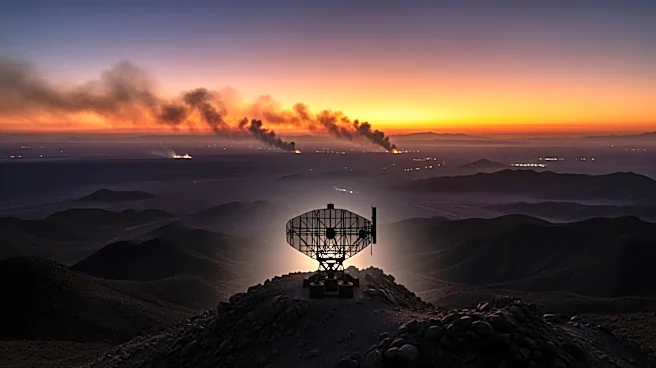
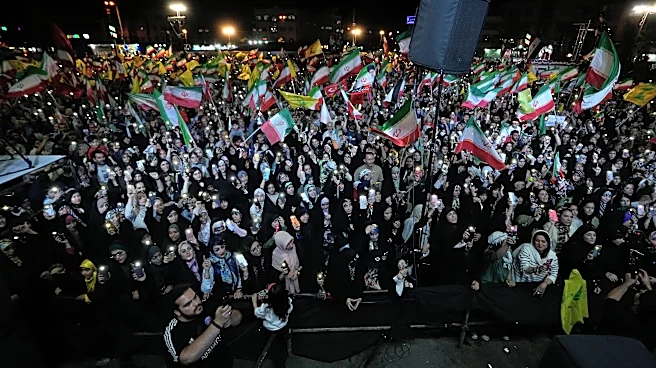
Iran's Foreign Ministry has condemned what it describes as US attacks on an Iranian oil tanker in the Strait of Hormuz and a telecommunications tower on Qeshm Island. Iran accuses Kuwait and Bahrain of bearing responsibility for these attacks, alleging
that their territories were used to support US military operations. The Iranian government has stated that it reserves the right to self-defense and will respond to any future attacks. This development comes amid heightened tensions in the region, with Iran asserting its readiness to protect its interests against perceived external threats.
Why It's Important?
The accusations against Kuwait and Bahrain highlight the complex geopolitical dynamics in the Middle East, where regional alliances and rivalries significantly impact security and stability. Iran's assertion of self-defense rights could escalate tensions, potentially leading to further military confrontations. This situation underscores the fragile nature of peace in the region and the potential for conflicts to disrupt global oil supplies, given the strategic importance of the Strait of Hormuz. The involvement of US allies in the region also complicates diplomatic efforts to de-escalate tensions.
What's Next?
Iran's vow to defend itself may lead to increased military readiness and potential retaliatory actions, which could further destabilize the region. The international community, particularly countries with interests in Middle Eastern stability, may seek to mediate and prevent further escalation. Diplomatic efforts could focus on addressing the underlying issues contributing to the tensions, including regional security arrangements and economic sanctions. The situation will likely require careful navigation to avoid broader conflicts.