









What's Happening?
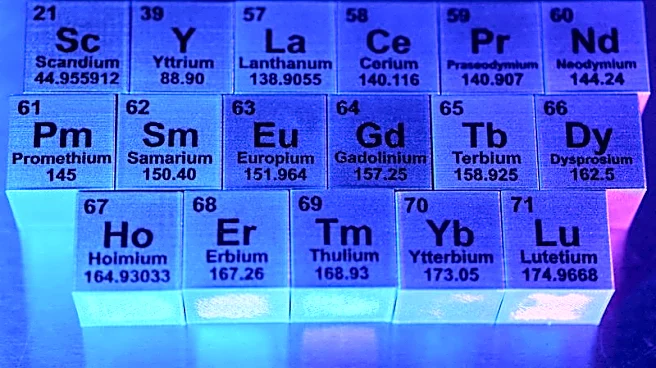
Project Vault, a $12 billion public-private partnership announced by President Trump, aims to establish a critical minerals stockpile for civilian use. This initiative, supported by a $10 billion loan from the Export-Import Bank of the United States,
seeks to secure access to essential minerals amid global supply chain challenges, particularly with China's dominance. However, the program's design has raised questions about its effectiveness and oversight. A recent roundtable by the Bipartisan Policy Center highlighted concerns about sourcing requirements, processing capacity, and the program's institutional fit. Congress has the opportunity to address these issues through upcoming legislative measures, such as the National Defense Authorization Act and the reauthorization of the EXIM Bank.
Why It's Important?
Project Vault is crucial for U.S. mineral security, especially given the geopolitical tensions and reliance on foreign sources for critical minerals. The program's success could enhance domestic manufacturing capabilities and reduce vulnerability to supply chain disruptions. However, its current design may not fully address upstream supply challenges or ensure adequate oversight. The outcome of congressional actions on Project Vault could significantly impact the U.S. economy, particularly industries reliant on these minerals, and shape future policies on resource security and economic independence.
What's Next?
As Congress considers codifying Project Vault, it must clarify the program's objectives and address design weaknesses. This includes establishing clear sourcing mandates, enhancing processing capabilities, and ensuring robust oversight. The legislative process will determine whether Project Vault can effectively contribute to a resilient supply chain or if additional measures are needed. The decisions made could set a precedent for future resource security initiatives and influence the U.S.'s strategic approach to critical minerals.