






What's Happening?
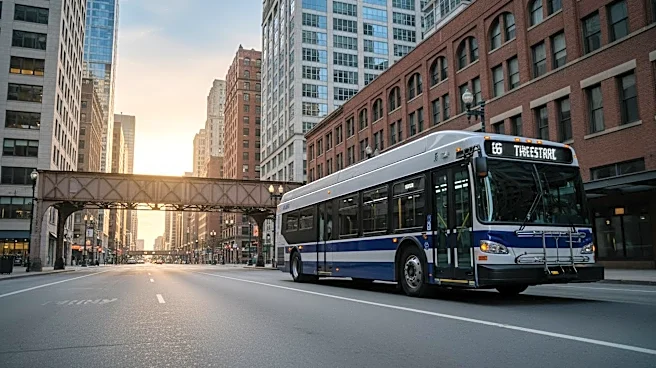
TriMet, Portland's transit agency, is enacting one of its most significant service overhauls in recent history, affecting 33 bus lines and the MAX Green Line. These changes, which began on Sunday, are a direct response to a long-term budget deficit. Many
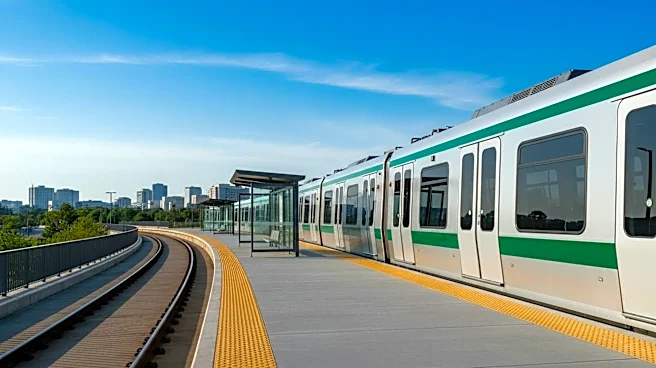
riders will experience new routes, adjusted schedules, and altered bus line names. Specifically, TriMet is eliminating two bus lines with low ridership: the 82-South Gresham and the 153-Staffard/Salamo. Additionally, the MAX Green Line will be shortened, operating only between the Clackamas Town Center and Gateway Transit Center. This modification will necessitate transfers for riders wishing to travel downtown. A TriMet spokesperson estimates that shortening the Green Line will add approximately 15 minutes to affected commutes. The agency attributes the $224 million budget deficit to factors such as reduced ridership and increasing operational costs, emphasizing that these cuts are necessary to preserve future transit services.
Why It's Important?
These extensive service changes by TriMet carry significant implications for Portland residents and the region's transportation infrastructure. The alterations will directly impact the daily commutes of thousands of individuals, potentially increasing travel times and requiring more complex transfers. For many, like Kat Moore, who relies on the MAX Green Line, these changes mean longer and less convenient journeys, particularly for those who depend on public transit due to limited parking or other constraints. The elimination of specific bus lines and the shortening of the MAX Green Line could disproportionately affect communities served by these routes, potentially limiting access to employment, education, and essential services. While some riders may view the changes as manageable, others, such as Kalen O’Shea, highlight the inconvenience, especially for those carrying luggage or with mobility challenges. The agency's decision underscores the financial pressures faced by public transit systems nationwide, often caught between rising costs and fluctuating ridership, necessitating difficult choices that directly impact urban mobility and accessibility.
What's Next?
TriMet encourages riders to prepare for the changes by planning their trips online in advance, utilizing the agency's resources to navigate the new routes and schedules. The immediate future will see riders adjusting to the altered services, with potential for increased congestion on remaining lines or shifts in commuting patterns as individuals seek alternative transportation methods. The agency's statement that "cutting service is never something we want to do, but by taking these steps now, we will preserve the transit service our region relies on for generations to come" suggests that these changes are intended as a long-term solution to financial instability. However, the impact on rider satisfaction and overall public transit usage will be closely monitored. Future discussions may revolve around potential funding solutions, strategies to increase ridership, or further adjustments if the current changes prove insufficient or overly burdensome for the community. The effectiveness of these cuts in addressing the budget deficit while maintaining essential service levels will be a key focus for TriMet and local stakeholders.
Beyond the Headlines
The TriMet service cuts highlight a broader national challenge facing public transportation systems: balancing essential public service with financial sustainability. Beyond the immediate inconvenience for riders, these changes could have ripple effects on urban development, environmental goals, and social equity. Reduced transit accessibility can exacerbate car dependency, potentially increasing traffic congestion and carbon emissions, counteracting efforts towards sustainable urban living. For low-income communities or individuals without access to private vehicles, these cuts can deepen existing inequalities by limiting access to jobs, healthcare, and educational opportunities. The decision to cut services due to a budget deficit also raises questions about public funding priorities and the valuation of public transit as a critical component of urban infrastructure. It underscores the need for innovative funding models and policy discussions that consider the long-term societal and economic benefits of robust public transportation, rather than solely focusing on short-term financial shortfalls. The situation in Portland could serve as a case study for other U.S. cities grappling with similar transit challenges.