







What's Happening?
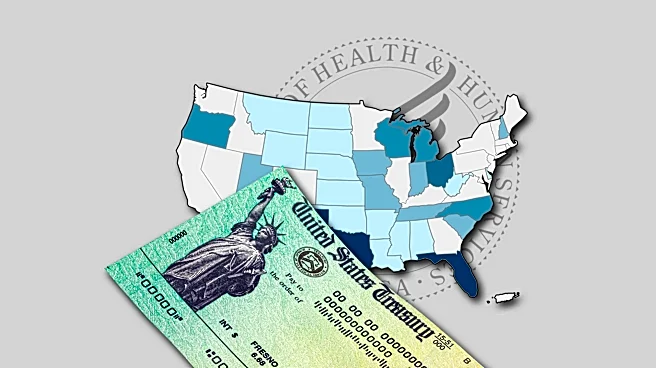
The Trump administration has announced the planned disenrollment of 760,000 individuals from Affordable Care Act (ACA) plans due to claims of fraud. This development follows the expiration of enhanced premium tax credits at the end of 2025, which had
previously led to 95,000 Alabamians, approximately 23% of the state's enrollees, exiting the marketplace. Enrollment in the ACA, also known as Obamacare, had seen a steady increase from 2020 to 2025, reaching over 427,000 Alabamians, largely due to these enhanced tax credits that made coverage more affordable for a wider range of income levels. The Centers for Medicare and Medicaid Services (CMS) attributes most of the disenrollments to unauthorized enrollments by 'bad actors' in insurance brokerage, noting that an estimated 80% of enrollments are supported by brokers. Some disenrollments are also linked to enrollees who had not filed an insurance claim within a year, which CMS suggests could indicate enrollment without their knowledge.
Why It's Important?
This mass disenrollment, coupled with the earlier departure of Alabamians due to expiring tax credits, raises significant concerns about access to healthcare and the stability of the ACA marketplace. Debbie Smith, director of Alabama Arise’s initiative Cover Alabama, emphasizes that while rooting out fraud is important, broad disenrollment is detrimental to society, as it leads to a loss of health coverage for many. KFF Policy Analyst Matt McGough suggests that a continuing perception of fraud could erode public trust in the marketplace, potentially discouraging future enrollments. The disenrollment of healthy individuals, who contribute more to the risk pool than they claim, could also lead to higher premiums for those remaining, as the balance between healthy and sick enrollees is crucial for keeping insurance affordable. This situation could disproportionately affect vulnerable populations and further strain the healthcare system.
What's Next?
The Centers for Medicare and Medicaid Services (CMS) will utilize an interim final rule to disenroll individuals identified in the fraud claims. The full impact of these disenrollments, particularly the extent of collateral damage to legitimately enrolled individuals, remains unclear due to the lack of public access to CMS's personal data. Experts like Matt McGough suggest that only the brokers involved in illegal activities might truly know who was fraudulently enrolled. There is also a discussion about the role of federal navigator programs, which help individuals shop for health plans without a vested interest, in preventing such fraudulent activities. However, funding for these programs was cut last year, raising questions about the effectiveness of current safeguards against 'bad actor' brokers. The long-term effects on ACA enrollment numbers and the affordability of plans will likely become clearer as these disenrollments proceed.
Beyond the Headlines
The situation highlights a deeper tension between combating fraud and ensuring broad access to healthcare. The administration's focus on disenrollment due to fraud, while necessary to maintain program integrity, risks undermining public confidence and potentially penalizing individuals who were unknowingly enrolled through fraudulent means. The reliance on brokers for a significant portion of ACA enrollments also brings to light the vulnerabilities within the system that 'bad actors' can exploit. The debate over the funding and role of federal navigator programs underscores a broader policy challenge: how to provide accessible, affordable healthcare while simultaneously safeguarding against misuse. This event could trigger a re-evaluation of oversight mechanisms and consumer protection measures within the health insurance marketplace, potentially leading to reforms aimed at preventing future fraudulent enrollments without compromising legitimate access to care.