





What's Happening?
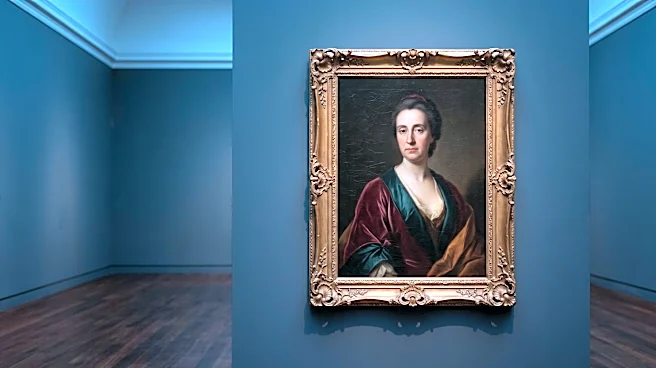
An Argentine court has approved the return of the painting 'Portrait of a Lady,' looted during the Holocaust from Dutch-Jewish art dealer Jacques Goudstikker, to his sole heir, Marei von Saher. This decision comes more than 80 years after the painting disappeared.
The agreement was reached with Patricia Kadgien, daughter of fugitive senior Nazi official Friedrich Kadgien, and her husband, Juan Carlos Cortegoso. The couple had been charged with aggravated concealment after authorities alleged they hid the painting despite knowing it was being sought by investigators. Under the agreement, the Kadgien couple will relinquish all claims of ownership and hand the painting over to von Saher. In exchange, they will avoid a criminal trial but will remain under court supervision for two years, keep authorities informed of their whereabouts, and make payments to a children's hospital in Mar del Plata. The painting, initially attributed to Giuseppe Vittore Ghislandi, was later identified by Argentina's National Academy of Fine Arts as a work by Giacomo Antonio Melchiorre Ceruti, confirming it belonged to Goudstikker's collection and estimating its value at approximately €250,000 (about $290,000).
Why It's Important?
This ruling is a significant development in the ongoing global effort to repatriate art and cultural property looted during the Nazi regime. It underscores the persistent legal and ethical challenges associated with Holocaust-era claims and the long-term impact of such historical injustices on families and cultural heritage. For Marei von Saher, who lives in Connecticut and has dedicated decades to recovering artworks stolen from her family, this represents a major victory and a measure of justice. The case also highlights the role of investigative journalism in uncovering hidden assets and the international cooperation required to resolve these complex historical claims. The Argentine Justice Ministry emphasized that the goal is to contribute to the dissemination and raising of awareness of the looting of cultural property during the Nazi regime, reinforcing the importance of historical accountability and the preservation of cultural memory.
What's Next?
Following the court's approval, the 'Portrait of a Lady' will first be exhibited in Argentina, as per Marei von Saher's wish, to raise public awareness about Nazi-looted cultural property. After this temporary display, the painting will be transferred to her possession. The Kadgien couple will remain under court supervision for two years, during which they must adhere to the terms of the agreement, including informing authorities of their whereabouts and making payments to a children's hospital. Any violation of these terms could lead to the reopening of criminal proceedings against them. This case may also encourage other individuals and institutions to come forward with information regarding looted artworks, potentially leading to further repatriations and continued efforts to address the legacy of Nazi art theft.
Beyond the Headlines
The 'Portrait of a Lady' case delves into the ethical complexities of inherited wealth and the responsibility of descendants for the actions of their ancestors, particularly in the context of war crimes. Friedrich Kadgien, the elder, served as a financial adviser to Hermann Göring and handled the sale of confiscated property for the Nazi regime, fleeing to Argentina after Germany's defeat without facing trial. The discovery of the painting in his daughter's home, decades later, raises questions about the concealment of ill-gotten gains and the moral obligations of those who benefit from such historical injustices. The agreement, which includes payments to a children's hospital, reflects a nuanced approach to justice, balancing accountability with a form of restorative action. This case serves as a powerful reminder of the enduring impact of the Holocaust on individuals and families, and the ongoing struggle for restitution and historical truth.