





What's Happening?
The U.S. military is facing a significant challenge in replenishing its stockpiles of advanced weapons systems following their extensive use in the conflict with Iran. According to a new analysis by the Center for Strategic and International Studies,
it will take at least three years to rebuild inventories of key systems such as Tomahawk cruise missiles, and Patriot and THAAD interceptors. These systems were heavily utilized in the Iran war, creating a window of vulnerability for potential future conflicts, particularly with China. The report highlights that while the U.S. has sufficient munitions for current scenarios, the depleted stockpiles pose a risk for future engagements. The Trump administration has proposed a $1.5 trillion defense budget for 2027 to accelerate munitions production, but the report emphasizes that the primary issue is the time required to expand production capacity.
Why It's Important?
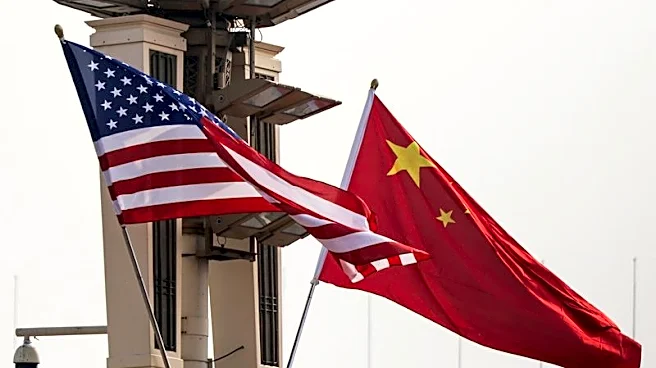
The depletion of advanced weapons stockpiles has significant implications for U.S. national security and its ability to respond to future conflicts. The potential vulnerability could impact U.S. strategic positioning, especially in the Western Pacific, where tensions with China over Taiwan are rising. The delay in replenishing these stockpiles could limit the U.S. military's operational readiness and deterrence capabilities. Furthermore, the situation underscores the challenges of maintaining a robust defense industrial base capable of rapidly scaling production in response to geopolitical threats. The report also highlights the need for strategic planning and investment in defense manufacturing to ensure the U.S. can meet future military demands.
What's Next?
The U.S. government and defense contractors are expected to focus on expanding production capacities to address the stockpile shortfall. This includes investments in new facilities and production lines by companies like Raytheon and Lockheed Martin. The Trump administration's defense budget proposal aims to accelerate this process, but it will take several years before stockpiles reach desired levels. In the meantime, the U.S. must balance its munitions needs with ongoing commitments to allies, such as providing Patriot systems to Ukraine. The situation may also prompt a reevaluation of military strategies and procurement policies to prevent similar vulnerabilities in the future.