



What's Happening?
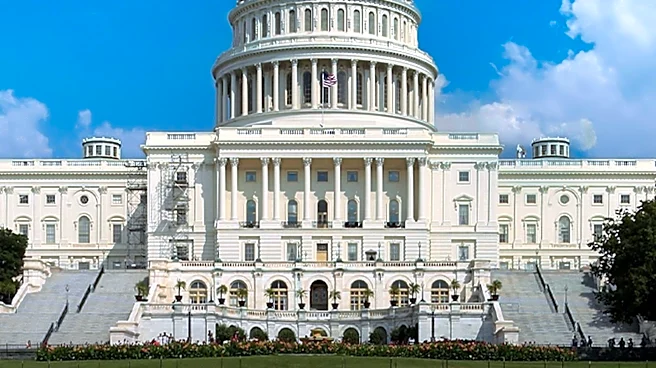
Representative Andrea Salinas has introduced the Mental Health Services for Students Act of 2025 (H.R. 5557), a bipartisan bill designed to expand school-based mental health programs across the United States. This legislation seeks to enhance mental health support
for students through the Substance Abuse and Mental Health Services Administration’s Project AWARE. The bill proposes fostering partnerships between schools and community mental health providers to increase access to on-site services. Additionally, it includes provisions for training school personnel to identify signs of trauma, mental health disorders, and suicide risk among students. The initiative comes at a time when, according to the CDC in 2025, approximately one in three U.S. high school students reported experiencing persistent feelings of sadness or hopelessness, and 14% seriously considered attempting suicide. Research, including a meta-analysis by Zhang and colleagues involving over 22,000 students, supports the effectiveness of school-based mental health interventions in reducing symptoms of depression and anxiety.
Why It's Important?
The Mental Health Services for Students Act of 2025 addresses a critical and growing concern regarding the mental well-being of U.S. adolescents. By expanding school-based mental health programs, the legislation aims to shift the approach from crisis reaction to early recognition and intervention, potentially preventing severe mental health issues. This is particularly important given the significant impact of social media use on adolescent mental health, as highlighted by studies showing a relationship between online activity and symptoms of depression and anxiety. The bill's focus on training school personnel means that educators and staff, who spend significant time with students, will be better equipped to identify those in need and facilitate access to professional care. This proactive approach could lead to improved academic performance, as mental health is intrinsically linked to a student's ability to learn and thrive. The proposed $300 million funding for fiscal years 2027 and 2028 underscores the scale of the investment deemed necessary to tackle this national challenge.
What's Next?
The Mental Health Services for Students Act of 2025 (H.R. 5557) will proceed through the legislative process, requiring consideration and potential amendments in Congress. If passed, the Substance Abuse and Mental Health Services Administration’s Project AWARE would be tasked with implementing the expanded school-based mental health programs. This would involve establishing new partnerships between schools and community mental health providers and developing training modules for school personnel. Stakeholders, including healthcare professionals and mental health advocates, are encouraged to learn more about the bill and contact their U.S. representatives to express their support. While concerns exist regarding the financial commitment and the role of public schools, the bipartisan nature of the bill suggests a potential for broad support. The emphasis will be on collaborative efforts among schools, community providers, and families to ensure effective and comprehensive mental health support for students.
Beyond the Headlines
The proposed legislation highlights a broader societal recognition of the importance of mental health as a fundamental component of overall well-being, particularly for younger generations. It challenges the traditional view that mental health care should be separate from educational environments, advocating for an integrated approach where support is readily accessible. This shift could lead to a destigmatization of mental health issues within school settings, encouraging students to seek help without fear of judgment. Furthermore, by empowering school personnel with the tools to recognize mental health concerns, the bill could foster a more supportive and empathetic school culture. The debate surrounding the funding and the role of schools in mental health also touches upon the evolving responsibilities of public institutions in addressing complex social issues, moving beyond purely academic mandates to encompass holistic student development. This initiative could set a precedent for how future public health challenges are addressed within educational frameworks.