








What's Happening?
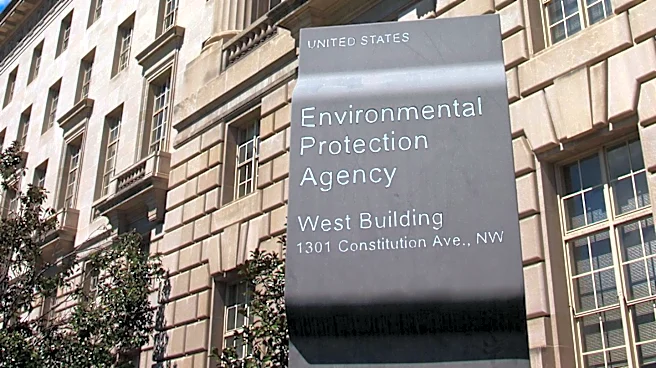
The Environmental Protection Agency (EPA) has formally requested asbestos sampling at the proposed Sheep Creek mine site in Montana. This request, submitted to the US Forest Service (USFS), emphasizes the need for testing for asbestiform materials prior
to any activities that could generate dust, such as blasting, drilling, or large-scale aerial transport of sampling materials. The EPA's concern stems from the known presence of asbestos in nearby Libby and Troy, Montana, and the geological similarity of Sheep Creek to these sites. The agency cited the tragic history of over 400 deaths linked to asbestos from a mine in Libby as a basis for its recommendation. The EPA specifically recommends using EPA Method 600 for sampling to inform potential health effects, the necessity of mitigation strategies, and possible remediation efforts.
Why It's Important?
This intervention by the EPA is crucial for public health and environmental safety in Montana. The presence of asbestos poses a significant and potentially lethal threat, as demonstrated by past incidents in the region. By advocating for pre-emptive sampling, the EPA aims to prevent worker and public exposure to hazardous fibers, which can cause severe respiratory diseases and cancer. This request highlights the importance of thorough environmental assessments before industrial operations commence, especially in areas with known geological risks. For the mining industry, it underscores the stringent regulatory scrutiny and the need for comprehensive safety protocols. The outcome of this request will set a precedent for how environmental risks, particularly those related to legacy contamination, are managed in future mining projects in the United States, impacting both regulatory frameworks and corporate responsibility.
What's Next?
The US Forest Service (USFS) will now need to consider the EPA's recommendation as it moves forward with its permit decision for the Sheep Creek mine. Public and environmental groups are likely to intensify their calls for comprehensive asbestos sampling and an independent health risk analysis. The mining company proposing the project will face increased pressure to address these concerns and may be required to conduct the recommended testing. If the USFS mandates asbestos sampling, the results will dictate the subsequent steps, potentially leading to the implementation of specific mitigation strategies or even a re-evaluation of the project's feasibility. Failure to conduct adequate testing could lead to legal challenges and prolonged delays for the mine's development, as well as significant public health risks.
Beyond the Headlines
The EPA's request for asbestos sampling at Sheep Creek Mine brings to light the enduring legacy of industrial contamination and the ongoing challenges of balancing economic development with environmental protection and public health. The historical context of Libby, Montana, serves as a stark reminder of the long-term human cost of inadequate environmental oversight. This situation underscores the ethical responsibility of corporations and regulatory bodies to prioritize human health over potential profits. It also highlights the critical role of inter-agency cooperation (EPA and USFS) in safeguarding communities. The debate around Sheep Creek Mine could influence broader policy discussions on mining regulations, environmental impact assessments, and the precautionary principle, potentially leading to more rigorous standards for projects in areas with known geological hazards across the United States.