








What's Happening?
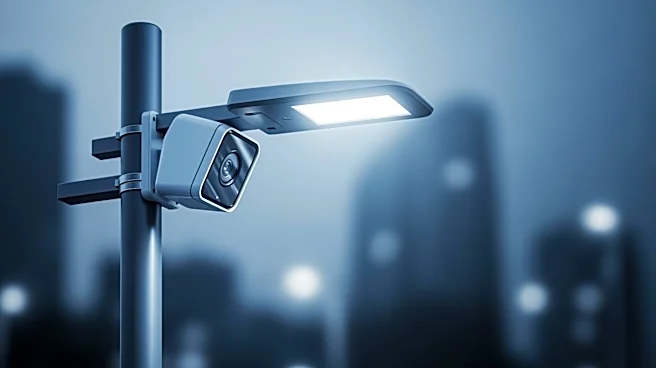
A lawsuit has been filed against the city of San Jose, California, challenging the constitutionality of its automatic license plate reader (ALPR) system. The Institute for Justice argues that the system, which records vehicle information across the city,
violates the Fourth Amendment due to its lack of oversight and potential for abuse. The San Jose Police Department (SJPD) has access to data from 474 ALPR cameras, which are used without warrants or probable cause. The lawsuit, filed in the U.S. District Court for the Northern District of California, seeks to represent all San Jose residents whose vehicles have been photographed by these cameras. The plaintiffs demand that the SJPD delete or block access to the data after 24 hours unless a specific warrant is obtained.
Why It's Important?
The lawsuit highlights significant privacy concerns regarding the use of surveillance technology by law enforcement. The ALPR system in San Jose allows for extensive data collection on residents' movements, raising fears of potential misuse and infringement on civil liberties. The case underscores the tension between public safety measures and individual privacy rights. If successful, the lawsuit could set a precedent for how similar technologies are regulated across the United States, potentially impacting the operations of law enforcement agencies and the companies that provide these technologies.
What's Next?
The outcome of this lawsuit could lead to changes in how ALPR systems are used and regulated, not only in San Jose but potentially nationwide. A court ruling in favor of the plaintiffs might require law enforcement agencies to implement stricter oversight and obtain warrants before accessing such data. This could also prompt legislative action to establish clearer guidelines and protections for citizens' privacy in the digital age. The case may attract attention from civil liberties groups and technology companies, influencing broader discussions on surveillance and privacy.