




What's Happening?
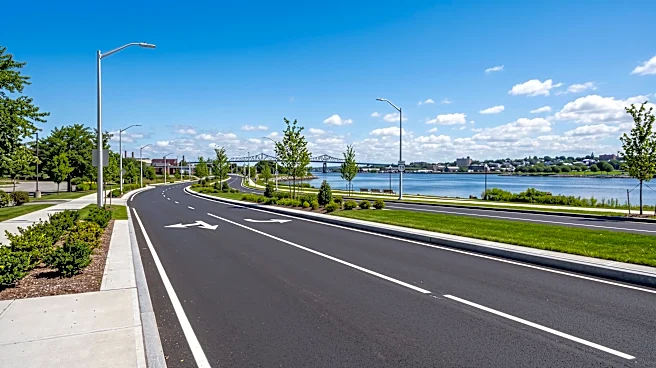
U.S. Congressman Jake Auchincloss joined state and local officials in Fall River, Massachusetts, to celebrate the completion of the Route 79 urban boulevard project. The $115 million infrastructure initiative replaced an elevated expressway with an at-grade
boulevard, reconnecting city neighborhoods to the Taunton River waterfront. The project, completed nearly a year ahead of schedule and on budget by joint-venture contractors D.W. White and SPS New England, has earned national engineering awards, including the New England Project of the Year from the American Society of Highway Engineers and an America’s Transportation Award from AASHTO. Congressman Auchincloss specifically commended the collaboration between federal, state, and local leadership, as well as Mayor Coogan’s municipal administration, highlighting the ongoing growth in Fall River. Other speakers at the October 27, 2026, ceremony included State Highway Administrator Jonathan Gulliver, State Senator Michael J. Rodrigues, State Representative Carole Fiola, and Southeastern Massachusetts Building Trades President Jim Pimentel.
Why It's Important?
The completion of the Route 79 Boulevard Project signifies a significant investment in urban infrastructure and regional development in Massachusetts. By transforming an aging elevated expressway into an at-grade boulevard, the project has reconnected Fall River's urban core to its waterfront, unlocking approximately 20 acres of land for mixed-use redevelopment and housing. This revitalization is expected to stimulate economic growth, create new opportunities for businesses, and improve the quality of life for residents by providing better access to the Taunton River. The project's success, marked by its early completion and adherence to budget, serves as a model for efficient public works and effective intergovernmental collaboration. The emphasis on union labor contributions also underscores the project's positive impact on local employment and skilled trades, potentially influencing future infrastructure projects to prioritize similar workforce development strategies.
What's Next?
Following the successful completion of the Route 79 Boulevard Project, the immediate next steps involve the redevelopment of the newly opened 20-acre corridor along the Taunton River waterfront. Governor Maura Healey addressed media questions regarding incoming developer bids for this prime real estate, indicating that the focus will now shift to attracting and selecting developers who can realize the vision of mixed-use development and housing. This phase will likely involve competitive bidding processes, zoning considerations, and community engagement to ensure that the new developments align with Fall River's long-term growth plans. The project's success may also encourage further investment in regional infrastructure, potentially leveraging the synergy with other major achievements like South Coast Rail and bridge rehabilitations. Continued collaboration between federal, state, and local entities will be crucial in maximizing the economic and social benefits of this transformative project.
Beyond the Headlines
The Route 79 Boulevard Project represents more than just a transportation upgrade; it embodies a broader strategy of urban renewal and environmental justice. For decades, elevated highways often severed communities from natural resources and waterfronts, disproportionately affecting lower-income areas. This project reverses that trend by dismantling a barrier and reconnecting the city to its river, fostering a more equitable distribution of public space and economic opportunity. The emphasis on creating new housing and commercial spaces on the reclaimed land addresses critical needs in urban development, potentially mitigating housing shortages and stimulating local commerce. Furthermore, the project's recognition for engineering excellence and its early completion could set a precedent for future infrastructure initiatives, promoting efficiency and accountability in public spending. This transformation could serve as a blueprint for other U.S. cities looking to revitalize their urban cores and reclaim waterfronts for public benefit.