

What's Happening?
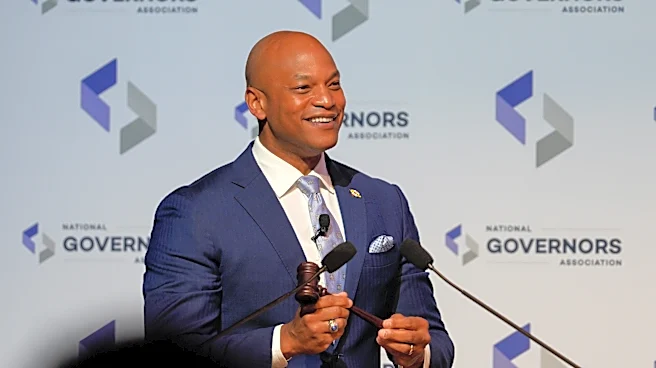
A lawsuit filed by attorneys representing students alleges that the state of Maryland has systematically underfunded the University of Maryland Eastern Shore (UMES), its only historically Black land-grant university, by an estimated $6 billion over more
than 130 years. The complaint, filed in U.S. District Court in Maryland, names Governor Wes Moore and officials from the Maryland Higher Education Commission and the University System of Maryland as defendants. The lawsuit claims that UMES has suffered from declining enrollment, deteriorating facilities, and underinvestment compared to the University of Maryland at College Park. This follows a 2023 Biden administration finding of a $321 million funding gap in Maryland for historically Black land-grant universities between 1987 and 2020.
Why It's Important?
This lawsuit highlights a long-standing issue of racial inequity in higher education funding, particularly for Historically Black Colleges and Universities (HBCUs). The alleged underfunding of UMES has had profound consequences, including hindering its ability to develop academic programs, maintain facilities, and attract students and faculty. If the allegations are proven, it signifies a systemic failure to uphold the 'separate but equal' mandate for land-grant institutions, perpetuating educational and economic disparities. A successful outcome for the plaintiffs could result in a significant financial award for UMES, which could be transformative for its infrastructure, academic offerings, and overall mission, potentially serving as a precedent for similar cases in other states.
What's Next?
The lawsuit seeks $6 billion in damages, which would be placed into a trust to advance UMES's land-grant mission. Additionally, it requests that the state allocate future land-grant and state matching funds equitably and allow UMES to appoint its own leadership. The legal proceedings will likely involve extensive discovery and potentially a trial, unless a settlement is reached. The outcome could have significant implications for how Maryland funds its public universities and could influence similar litigation in other states concerning HBCUs. Governor Moore's administration has stated its commitment to supporting UMES but cannot comment on active litigation.
Beyond the Headlines
This case delves into the historical legacy of segregation and its enduring impact on educational institutions. The lawsuit's claim that UMES's growth was 'deliberately stunted because of racism' speaks to a deeper narrative of systemic discrimination. Beyond financial compensation, the suit aims to rectify historical injustices and ensure equitable opportunities for Black students and communities. The demand for UMES to appoint its own leadership also touches on issues of institutional autonomy and self-determination for HBCUs. This legal challenge could force a re-examination of how states fulfill their obligations to all public universities, particularly those established to serve marginalized populations, and could contribute to a broader movement for educational equity and reparations.