





What's Happening?
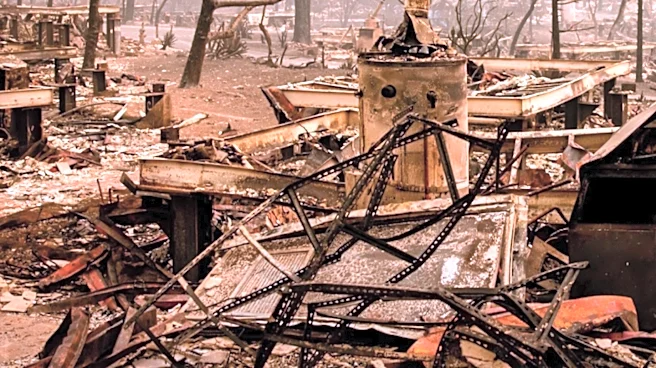
U.S. Rep. Teresa Leger Fernández, D-N.M., has emphasized the critical need to engage directly with communities affected by the Frijoles Fire, particularly those reliant on acequias. An initial assessment by the U.S. Forest Service indicates that the 15,483-acre
Frijoles Fire burned at low to very-low intensity across most of its area, suggesting potential long-term ecological benefits for the forest and watershed. However, despite this assessment, late summer rains have caused significant runoff, filling approximately 30 acequias and Santa Cruz Lake with ash, mud, and debris. This has led to damaged crops and concerns about future flooding among residents in villages west of the Sangre de Cristo Mountains. Representative Leger Fernández highlighted the importance of applying lessons learned from previous large wildfires, such as the Hermits Peak/Calf Canyon Fire, to ensure federal agencies understand the vital role of acequias and support affected communities effectively. New Mexico has also filed a lawsuit against FEMA regarding the Calf Canyon/Hermits Peak Fire, seeking $61.6 million for National Guard deployments, indicating ongoing challenges in securing federal support for post-fire recovery.
Why It's Important?
The situation in northern New Mexico underscores the significant impact of wildfires on local agricultural practices and water infrastructure, particularly the historic acequia systems. These community-managed irrigation channels are crucial for the livelihoods of farmers and the cultural heritage of the region. While the Forest Service's low-severity burn assessment offers some long-term ecological hope, the immediate contamination of water sources poses an economic threat to local agriculture and raises concerns about water security. The advocacy by Representative Leger Fernández is vital for ensuring that federal recovery efforts are tailored to the unique needs of these communities, preventing further economic hardship and cultural disruption. The ongoing legal dispute with FEMA also highlights broader issues of federal responsiveness and funding for states grappling with the aftermath of large-scale natural disasters, setting a precedent for how future post-fire recovery efforts might be supported or challenged.
What's Next?
As the Frijoles Fire continues to smolder in some areas, with containment around 80%, the immediate focus will be on managing the ongoing runoff and debris flow into acequias and water bodies. Local communities, supported by Representative Leger Fernández, will likely continue to press federal agencies for effective mitigation strategies and financial assistance to clear irrigation systems and address water quality issues. The U.S. Forest Service's Burned Area Emergency Response (BAER) team will continue its assessment, and while they do not anticipate needing watershed treatments on Forest Service lands, they are sharing data with cooperators to address potential impacts off federal lands. The outcome of New Mexico's lawsuit against FEMA regarding the Calf Canyon/Hermits Peak Fire could also influence future federal aid for post-fire recovery efforts in the state, potentially shaping how federal agencies respond to similar requests from other states affected by wildfires.
Beyond the Headlines
The challenges faced by acequia communities in New Mexico after the Frijoles Fire highlight a deeper intersection of environmental policy, cultural preservation, and federal-local governance. Acequias are not merely irrigation systems; they represent centuries of sustainable water management practices and are integral to the cultural identity and social fabric of northern New Mexico. The contamination of these systems by wildfire runoff underscores the vulnerability of traditional agricultural practices to climate change-exacerbated natural disasters. This situation also brings to light the ongoing tension between federal land management practices, such as prescribed burns, and their downstream consequences for local communities. The need for federal agencies to better understand and integrate local knowledge, particularly from long-standing water users like acequia communities, into disaster response and recovery planning is a critical long-term implication. This event could catalyze broader discussions on how to better protect and support traditional land and water management systems in the face of increasing environmental threats.