


What's Happening?
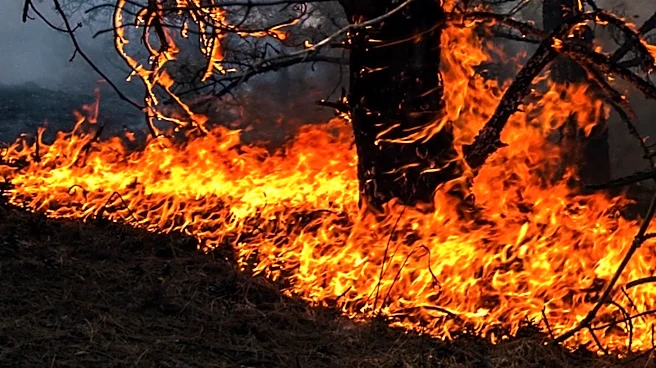
The Air Quality Index (AQI) is a critical tool for assessing air pollution levels, especially as wildfires increase smoke exposure across the U.S. The AQI provides a standardized measure of air quality by evaluating multiple pollutants, including PM2.5,
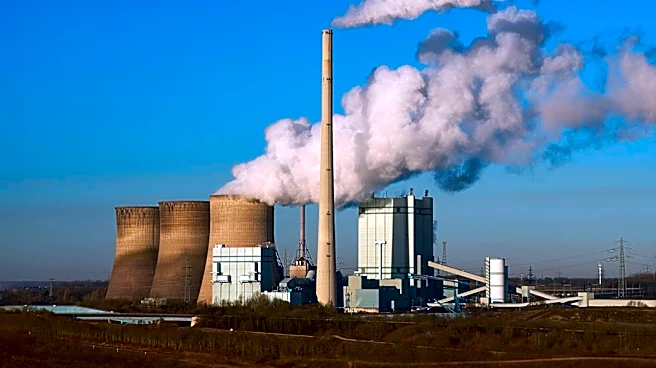
ozone, and carbon monoxide. Each pollutant is assessed for its health risk, and the highest value determines the AQI score. This system allows for consistent communication of air quality risks, regardless of the pollution source, whether from wildfires or urban smog.
Why It's Important?
As wildfires become more frequent and severe, understanding the AQI is essential for public health. The index helps individuals and communities make informed decisions about outdoor activities and health precautions. It also guides policymakers in implementing air quality regulations and emergency responses. The AQI's ability to translate complex pollution data into a simple, color-coded system makes it an invaluable resource for raising awareness and protecting public health during pollution events.