


What's Happening?
The U.S. economy is facing a new challenge as rising gas prices, driven by the ongoing conflict with Iran, threaten to consume the increased tax refunds anticipated from President Trump's tax cut legislation. The conflict, which began on February 28,
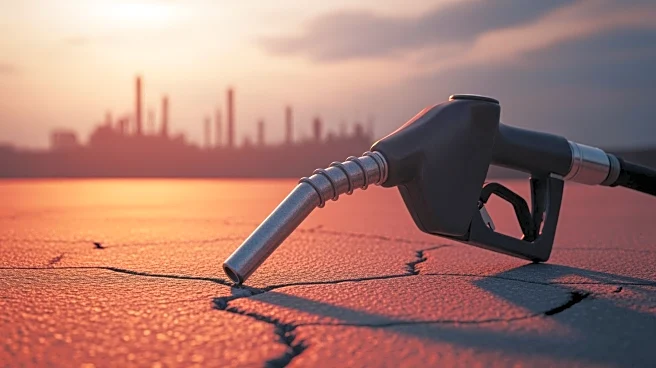
has caused oil and gas prices to soar, with the national average gas price reaching $3.94 per gallon. This increase is expected to persist due to disruptions in shipping and production. As a result, the anticipated economic boost from larger tax refunds may be negated, particularly affecting lower and middle-income households who spend a larger portion of their income on gas. Economists predict that the average household could spend an additional $740 on gas this year, nearly matching the expected increase in tax refunds.
Why It's Important?
The surge in gas prices poses a significant threat to consumer spending and economic growth in the U.S. While tax refunds were expected to provide a financial cushion for many Americans, the increased cost of gas could offset these benefits, particularly for lower-income households. This situation highlights the vulnerability of the U.S. economy to external shocks, such as geopolitical conflicts, which can disrupt energy markets and consumer spending patterns. The impact is likely to exacerbate existing economic disparities, as lower-income households are disproportionately affected by rising energy costs. Additionally, the situation underscores the challenges of maintaining economic growth amid global uncertainties and domestic policy changes.
What's Next?
If gas prices remain elevated, consumer discretionary spending on items such as dining out, clothing, and entertainment may decline, potentially slowing economic growth. Analysts expect that the U.S. economy will still expand this year, albeit at a slower pace, as higher gas prices contribute to inflationary pressures. The situation may prompt policymakers to consider measures to mitigate the impact on consumers, such as temporary relief on energy costs or targeted financial assistance for affected households. Businesses and consumers alike will need to adapt to the changing economic landscape, balancing the need for spending with the realities of higher energy costs.