



What's Happening?
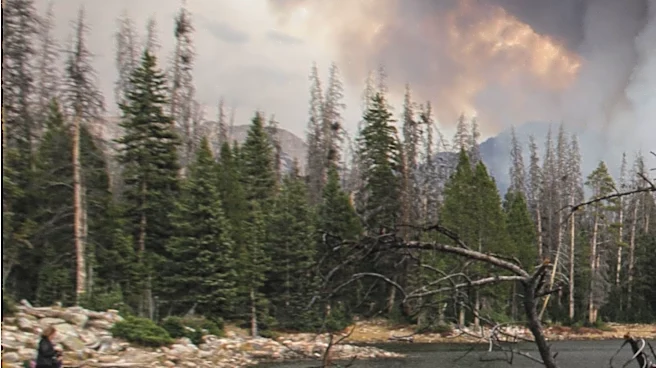
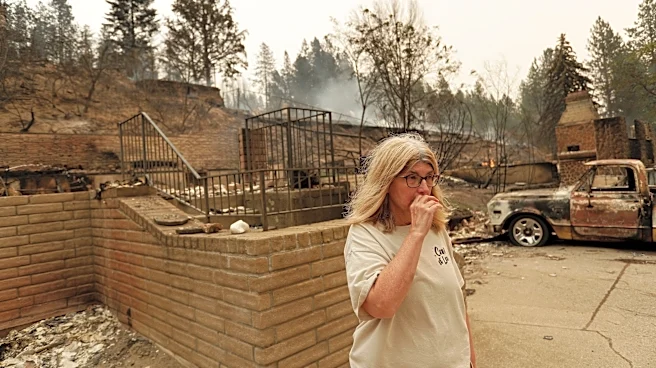
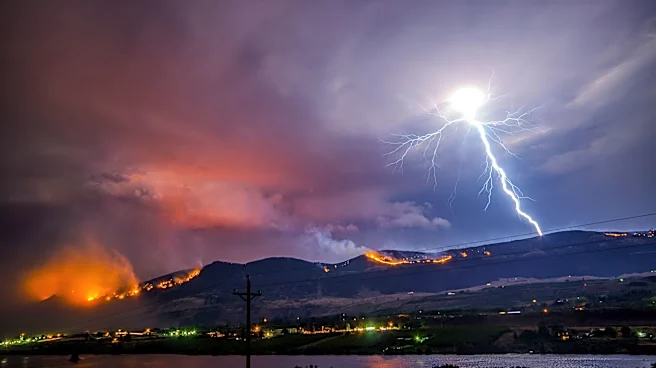
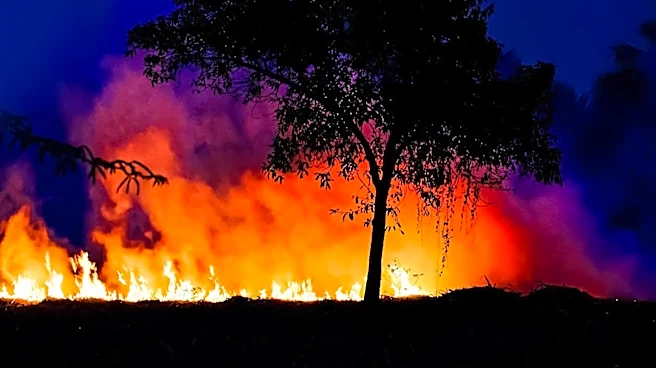
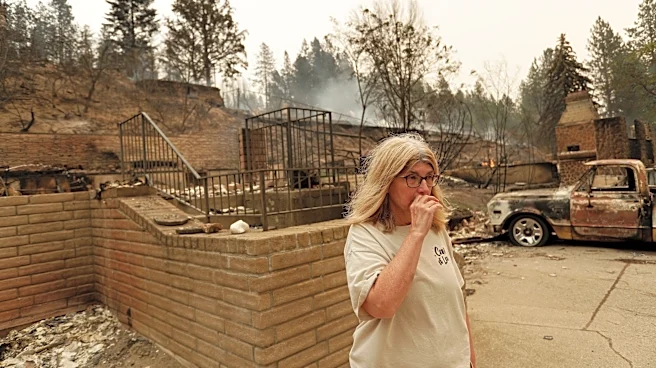
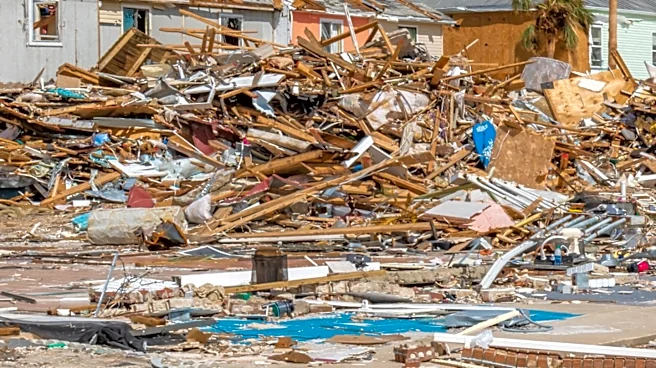
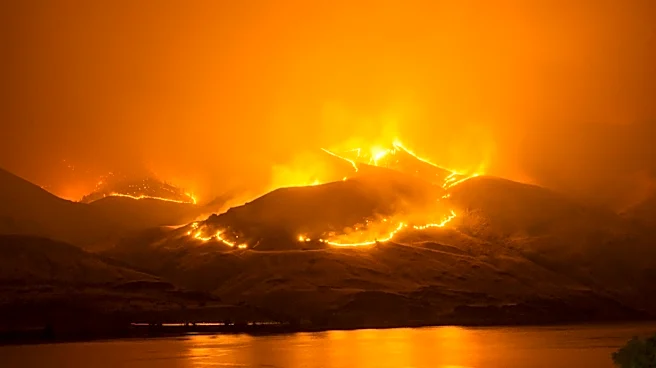
Wildfires in eastern Washington state have led to the evacuation of 60,000 people in the Spokane area and destroyed at least 600 homes, businesses, and other structures. The fires, which have burned approximately 12 square miles, remain 0% contained.
The situation is exacerbated by dry conditions and strong winds, although forecasts predict cooler temperatures and lighter winds. The fires are part of a larger series of wildfires across the Western U.S., stretching the resources of federal, state, and local firefighting agencies. No injuries have been reported, but the situation remains critical.
Why It's Important?
The wildfires in Washington state highlight the increasing frequency and intensity of such events in the Western U.S., raising concerns about climate change and its impact on natural disasters. The destruction of homes and businesses poses significant economic challenges for affected communities, while the large-scale evacuations underscore the human toll of these disasters. The fires also test the capacity of emergency services and highlight the need for effective disaster preparedness and response strategies. The situation could influence public policy discussions on climate resilience and resource allocation for firefighting efforts.
What's Next?
Firefighting efforts will continue as authorities work to contain the blazes and prevent further destruction. The weather conditions in the coming days will be crucial in determining the success of these efforts. Local and state officials will likely assess the damage and begin planning for recovery and rebuilding once the fires are under control. The situation may prompt discussions on improving infrastructure and emergency response systems to better handle future wildfires.