







What's Happening?
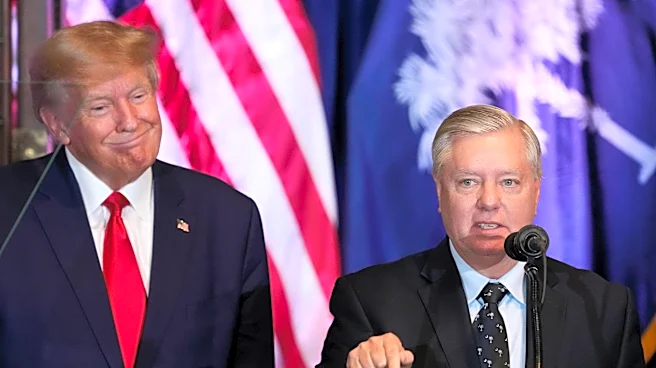
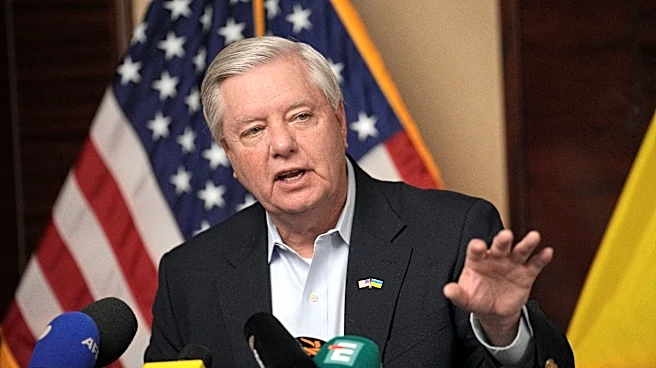
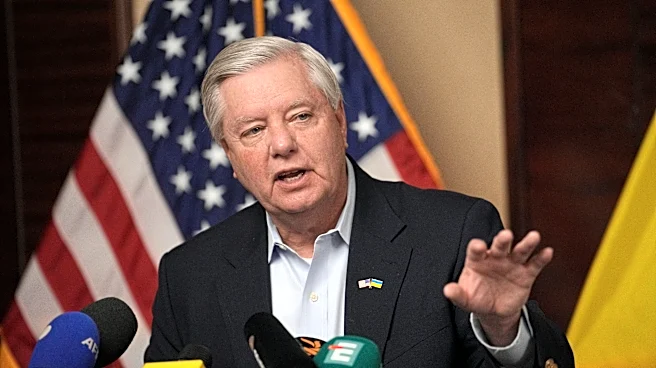
President Donald Trump openly expressed his grief following the unexpected death of U.S. Senator Lindsey Graham on July 11. Graham, a Republican from South Carolina, was a close ally and friend to Trump, despite initially being a critic during the 2016
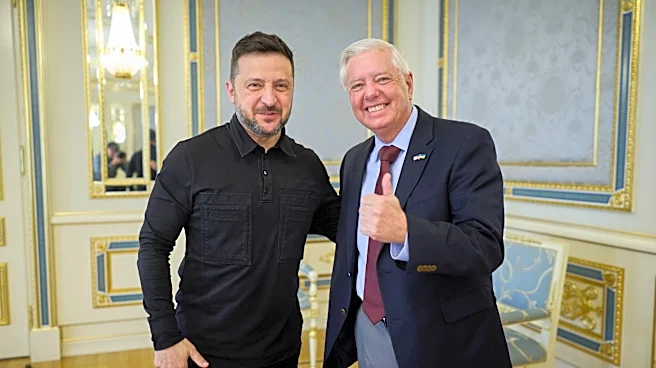
presidential campaign. Trump shared his sorrow on Truth Social, describing Graham as a 'true American Patriot' and expressing that he would be greatly missed. The two had spoken just hours before Graham's passing, following Graham's return from a meeting with Ukrainian President Volodymyr Zelenskyy. Trump's public mourning highlights a more vulnerable side of the president, who is known for his tough persona. This event also coincides with Trump's reflections on his own mortality as he approaches his 80th birthday, a milestone he has admitted to not being entirely comfortable with.
Why It's Important?
The death of Senator Lindsey Graham marks a significant moment in U.S. politics, as he was a prominent figure and a key ally to President Trump. Graham's passing could impact the political landscape, particularly within the Republican Party, where he played a crucial role in supporting Trump's policies. Trump's public expression of grief and reflection on mortality may influence his political approach and public perception. As Trump contemplates his age and legacy, this could lead to shifts in his political strategies or priorities. The event also underscores the personal relationships and dynamics within political circles, highlighting how personal loss can affect political figures and their decision-making processes.
What's Next?
In the wake of Senator Graham's death, there may be discussions about his successor and the potential impact on legislative priorities. The Republican Party will need to address the void left by Graham's absence, particularly in areas where he was influential. For President Trump, this period of reflection on mortality and personal loss might lead to changes in his public demeanor or policy focus. Observers will be watching to see if Trump's candid expressions of vulnerability translate into a more empathetic leadership style. Additionally, the political community will be attentive to any shifts in alliances or strategies within the Republican Party as they navigate this transition.