






What's Happening?
The Minnesota Department of Natural Resources (DNR) has allocated $7 million in ReLeaf Grants to 50 communities across Minnesota to support community tree management initiatives. Among the recipients are the City of Bemidji, which will receive $308,070,
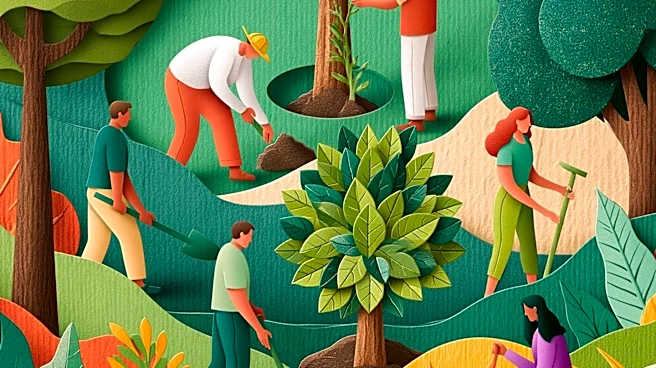
and the Leech Lake Band of Ojibwe, awarded $250,000. These grants, funded by the Minnesota State Legislature, aim to bolster efforts in tree inventories, plantings, maintenance, pruning, and the development of comprehensive management plans. Projects will be implemented on public lands and low-income residential properties, with a particular focus on replacing ash trees lost to pests and diseases with a diverse range of species. Other initiatives include the removal of hazardous trees, utilizing the wood for outdoor learning spaces, and providing scholarships for individuals pursuing the International Society of Arboriculture Certified Arborist exam.
Why It's Important?
These ReLeaf Grants are crucial for enhancing urban and community forestry in Minnesota, directly impacting the environmental health and aesthetic appeal of participating communities. By supporting the management and planting of diverse tree species, the program helps build resilient canopies that are better equipped to withstand pests, diseases, and the effects of climate change. This investment in green infrastructure contributes to improved air quality, reduced urban heat island effects, and enhanced biodiversity. For communities like Bemidji and the Leech Lake Band of Ojibwe, the grants provide essential resources to protect and expand their tree populations, fostering healthier environments for residents and future generations. The focus on replacing ash trees is particularly significant given the widespread impact of the emerald ash borer and other tree diseases across the U.S.
What's Next?
The recipient communities, including Bemidji and the Leech Lake Band of Ojibwe, will proceed with implementing their proposed tree management projects. This will involve conducting tree inventories, initiating planting programs, performing necessary maintenance and pruning, and developing long-term management strategies. The scholarships for arboriculture certification will contribute to a skilled workforce capable of sustaining these efforts. The Minnesota DNR will likely monitor the progress and effectiveness of these projects, potentially using the outcomes to inform future grant programs and forestry initiatives. The success of these community-level efforts could also inspire other states and municipalities to adopt similar funding models for urban forestry, promoting a broader national movement towards resilient and healthy community tree canopies.
Beyond the Headlines
The ReLeaf Grants underscore a growing recognition of the vital role urban forests play in public health, environmental sustainability, and community well-being. Beyond their ecological benefits, trees contribute to mental health, provide recreational opportunities, and can even boost local economies through increased property values and tourism. The program's emphasis on replacing lost ash trees highlights the ongoing ecological challenges posed by invasive species and the importance of proactive management strategies. Furthermore, the inclusion of scholarships for arborists addresses the need for specialized expertise in urban forestry, ensuring that tree care is conducted by trained professionals. This initiative reflects a broader cultural shift towards valuing and investing in natural infrastructure as a critical component of sustainable urban development.