





What's Happening?
On November 6, 2026, Hoover Institution senior fellow Victor Davis Hanson and former investment banker Carol Roth appeared on The Glenn Beck Program to discuss the economic and political ramifications of the recent midterm elections. The discussion followed
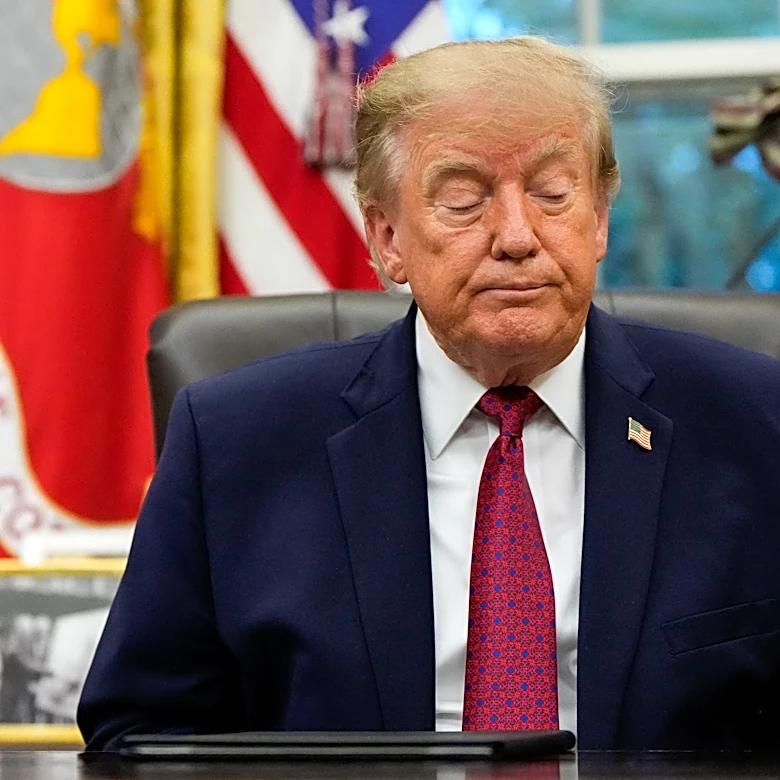
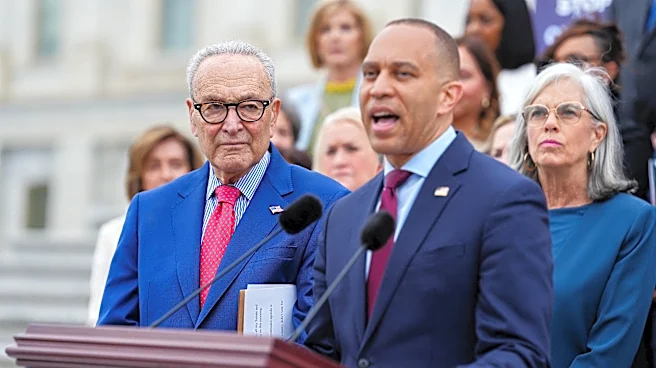
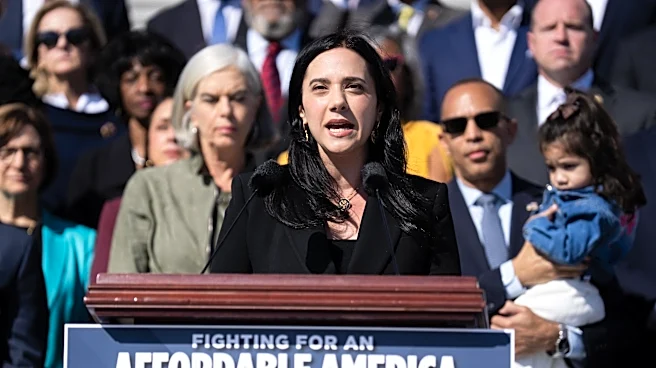
a significant drop in the Dow Jones Industrial Average, described as its biggest hit since the COVID-19 pandemic, which resulted in substantial losses for average 401(k) accounts. This economic downturn was attributed to Democrats regaining a majority in Congress, leading to concerns about potential policy changes. Specifically, there are threats to target AI data centers and President Trump's energy deals. Hanson and Roth analyzed what the next two years might look like for President Trump, who will now have to contend with a Democrat-controlled House and Senate, and how these political shifts could impact the affordability crisis.
Why It's Important?
This discussion is crucial for understanding the immediate and future economic and political landscape of the U.S. The stock market's reaction to the midterm election results highlights investor uncertainty and concerns about potential policy shifts under a divided government. Threats to target AI data centers could impact the rapidly growing technology sector, potentially affecting innovation, investment, and job creation. Similarly, changes to President Trump's energy deals could have significant consequences for the energy industry, affecting production, prices, and international agreements. For average Americans, the decline in 401(k) values directly impacts retirement savings, while the broader affordability crisis remains a central concern. The ability of President Trump to navigate a Democrat-controlled Congress will determine the direction of economic policy and its impact on various sectors and individual financial well-being.
What's Next?
In the coming two years, President Trump will face the challenge of governing with a Democrat-controlled House and Senate. This political dynamic is likely to lead to legislative gridlock and increased scrutiny of the administration's policies. The threats to target AI data centers and President Trump's energy deals suggest that the Democratic majority will likely pursue policies aimed at regulating technology and potentially reversing some of the previous administration's energy initiatives. This could result in legislative battles, executive orders, and potential legal challenges. Businesses in the technology and energy sectors should anticipate increased regulatory pressure and potential policy changes. For the broader economy, the focus will be on how these political developments impact the stock market, inflation, and the ongoing affordability crisis, with potential for continued volatility and uncertainty.
Beyond the Headlines
The political and economic shifts discussed by Hanson and Roth point to deeper implications for American governance and society. A divided government often leads to a more adversarial political climate, where policy debates become more entrenched and compromise is difficult. This can erode public trust in institutions and exacerbate political polarization. The targeting of specific industries, such as AI and energy, could signal a broader ideological battle over economic priorities and environmental policy. Ethically, the impact on 401(k)s and the affordability crisis raises questions about economic fairness and the government's role in ensuring financial stability for its citizens. Long-term, this period could redefine the balance of power between the executive and legislative branches and influence future electoral strategies, as both parties seek to gain an advantage in a highly competitive political environment.