








What's Happening?
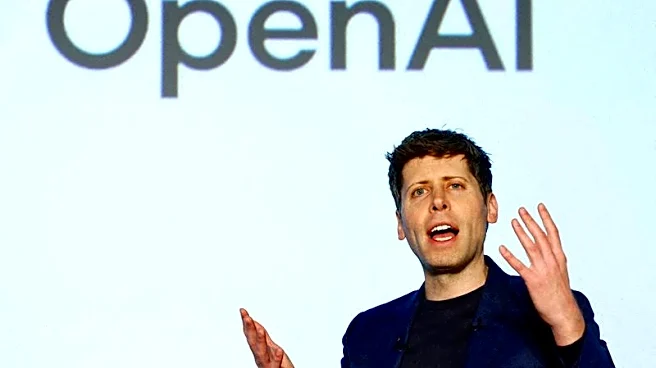
Yvette Cooper, the foreign secretary, has warned that artificial intelligence (AI) poses a 'Hiroshima'-style risk to humanity if global rules are not established to regulate its development. Cooper emphasized the need for international cooperation, particularly
between the U.S. and China, to address the potential dangers of AI. She highlighted AI as a dominant foreign policy issue for the coming years, alongside other global challenges such as climate change and foreign interference. Cooper's comments come amid discussions on the future role of the U.S. in global peace and democracy, and the need for Europe to adjust to a reduced American presence in international affairs.
Why It's Important?
The warning about AI's potential risks underscores the urgent need for international governance frameworks to manage emerging technologies. Without such regulations, AI could be misused by malign actors, posing significant threats to global security. Cooper's call for action reflects broader concerns about technological advancements outpacing regulatory measures, which could lead to unintended consequences. The issue is particularly relevant as countries navigate the balance between technological innovation and security, with implications for international relations and global stability.
What's Next?
Cooper's remarks may prompt further discussions among global leaders on establishing comprehensive AI regulations. The international community will need to collaborate on creating frameworks that ensure AI is developed and used responsibly. This could involve multilateral agreements and partnerships to address the shared challenges posed by AI. The outcome of these discussions will likely influence future foreign policy agendas and the role of technology in shaping global power dynamics.