







What's Happening?
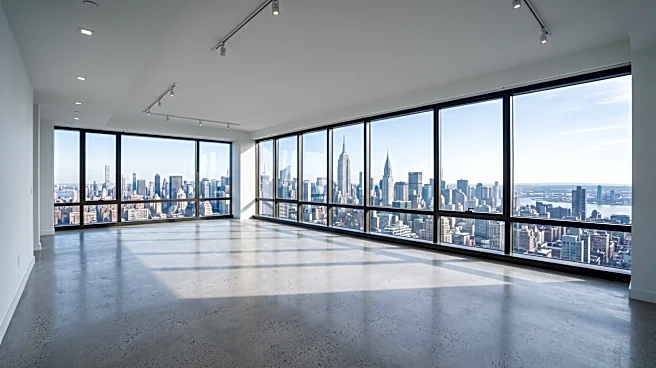
New York City remains the most expensive U.S. city for solo renters, with individuals needing to earn $153,600 annually to comfortably afford a typical studio apartment, which costs approximately $3,840 per month. This figure is based on The Economist's
'Carrie Bradshaw Index,' which assumes renters should spend no more than 30% of their gross income on housing. In contrast, the national trend shows an improvement in rental affordability. The number of America’s 100 largest cities considered unaffordable for an average earner has decreased to 30, the lowest point since the index began three years ago. Nationwide, solo renters now require about $150 less per month in earnings compared to a year ago. This national reprieve is attributed to a surge in new apartment construction, with 695,000 units added in 2024 (a 40-year record) and another 531,000 in 2025, coupled with softer demand that has slowed rent growth and led landlords to offer incentives.
Why It's Important?
This disparity in rental affordability highlights significant economic challenges and opportunities across the U.S. While many cities are becoming more accessible for solo renters, major urban centers like New York City continue to pose substantial financial barriers. This situation impacts workforce mobility, urban development, and social equity. High housing costs in key economic hubs can deter individuals from moving to these areas for job opportunities, potentially affecting local economies and talent pools. The national improvement, driven by increased housing supply, suggests that construction efforts can effectively mitigate affordability crises. However, the continued unaffordability in cities like New York indicates that supply-side solutions alone may not be sufficient in high-demand markets, necessitating a broader discussion on urban planning, wage growth, and housing policies. The 'Carrie Bradshaw Index' serves as a cultural touchstone, illustrating the widening gap between aspirational urban living and economic reality for many.
What's Next?
The national rental reprieve may be temporary, as The Economist notes a sharp decline in new construction starts from 2022 levels, reaching their lowest quarterly total since 2011. This potential limitation on future housing supply could reverse the recent affordability gains across the country. For New York City, the persistent high costs suggest that without significant interventions in housing policy or a substantial increase in affordable housing units, the city will likely remain largely inaccessible for average-income solo renters. Stakeholders, including city planners, developers, and policymakers, will need to monitor construction trends and demand closely. The ongoing challenge in high-cost cities may prompt discussions on innovative housing solutions, such as increased subsidies, zoning reforms, or alternative living arrangements, to address the affordability gap and ensure diverse populations can reside in these economic centers.
Beyond the Headlines
The 'Carrie Bradshaw Index' not only measures economic affordability but also reflects a cultural phenomenon where the idealized urban lifestyle, often portrayed in media, is increasingly out of reach for many. This creates a psychological and social impact, as individuals may feel pressured to achieve higher incomes or compromise on living standards to reside in desirable cities. The divergence between national trends and New York City's situation underscores the complex interplay of market forces, regulatory environments, and historical development patterns. It also raises questions about the long-term sustainability of urban centers that become exclusive due to housing costs, potentially leading to demographic shifts and reduced diversity. The reliance on new construction to ease affordability nationally highlights the critical role of the construction industry and government policies in shaping the housing landscape, emphasizing the need for consistent and forward-looking urban planning to prevent future housing crises.