




What's Happening?
An early heat wave is set to impact the East Coast of the United States, with temperatures expected to rise into the 90s across the Mid-Atlantic and Southeast, and 80-degree heat stretching from the Midwest to New England. This unusual weather pattern
is forecasted to exceed June averages for approximately 160 million people, with high-temperature records potentially being neared, tied, or broken at around 600 locations from the Plains to the Northeast. The heat wave follows the warmest March on record in the U.S., a phenomenon attributed to climate change. The heat is expected to exacerbate existing drought conditions in the South and parts of the East, where little rain is forecast over the next two weeks.
Why It's Important?
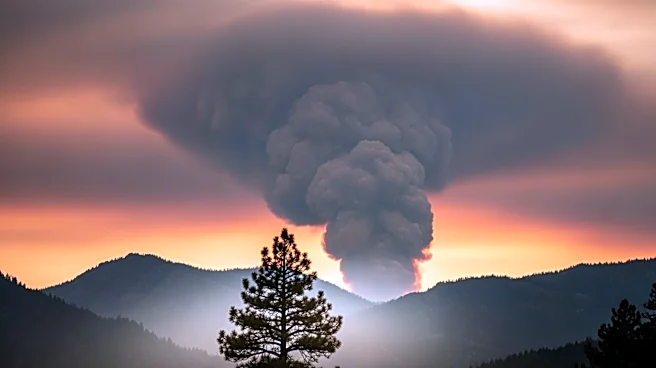
The early heat wave is significant as it highlights the ongoing impact of climate change, with record-breaking temperatures becoming more frequent. The heat wave poses a risk to agriculture, water resources, and public health, particularly in areas already experiencing drought. The increased temperatures could lead to higher energy demands as people seek to cool their homes, potentially straining power grids. Additionally, the heat wave raises concerns about the potential for wildfires, especially in regions with dry conditions. The event underscores the need for adaptive measures to address the challenges posed by climate change.
What's Next?
As the heat wave progresses, cooler conditions are expected to return to the East next week. However, the current drought conditions are likely to persist, with the potential for a super El Niño later in the year that could bring more rain to the region. In the short term, the focus will be on managing the immediate impacts of the heat wave, including monitoring energy usage and addressing any wildfire outbreaks. Long-term strategies may involve enhancing infrastructure resilience and developing policies to mitigate the effects of climate change.