
What's Happening?
California's agriculture sector is navigating a complex landscape of regulatory challenges and water management issues, as discussed by Karen Ross, Secretary of the California Department of Food and Agriculture,
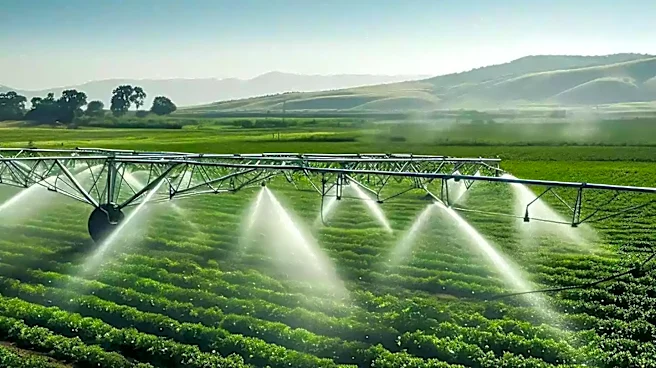
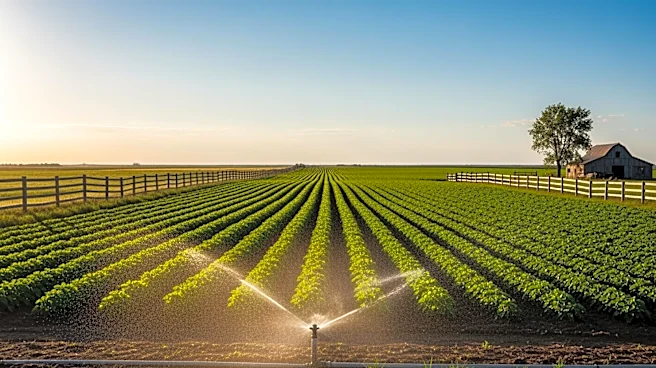
at the Agri-Pulse Food and Ag Issues Summit West. The state, known for its vast agricultural output, is dealing with stringent regulations that impact farming operations. Emily Rooney, President of the Ag Council of California, highlighted concerns over plastic and packaging regulations, while Chris Zanobini of Ag Association Management Services Inc. described the regulatory environment as 'regulatory jenga.' These challenges are compounded by water scarcity and the implications of Proposition 12, which sets standards for animal welfare.
Why It's Important?
California's agricultural policies have far-reaching implications beyond state borders, affecting national food supply chains and pricing. The regulatory environment in California serves as a bellwether for other states, potentially influencing national agricultural policy. The state's approach to water management and environmental regulations could set precedents for sustainable farming practices. The challenges faced by California's agriculture sector highlight the need for balanced policies that support both environmental sustainability and economic viability for farmers.
What's Next?
Stakeholders in California's agriculture sector are likely to continue advocating for regulatory reforms that address their concerns while maintaining environmental standards. The ongoing dialogue between industry leaders and policymakers will be crucial in shaping future regulations. As water scarcity remains a pressing issue, innovative solutions and investments in water management technologies may become a focus. The outcomes of these discussions and policy adjustments will be closely monitored by other states and agricultural sectors across the country.