








What's Happening?
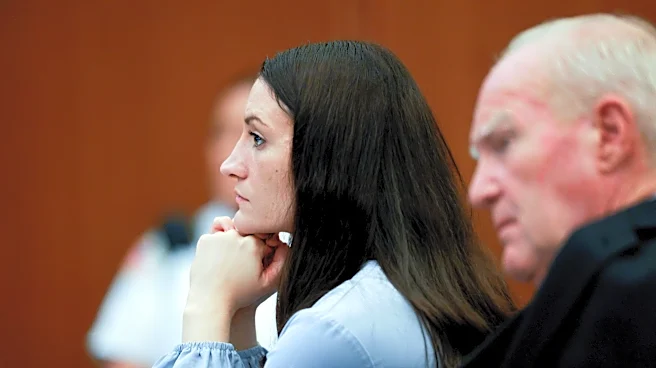
During the triple-murder trial of Lindsay Clancy, cellphone notes and internet search history were presented as evidence, offering insight into her mental state leading up to the deaths of her three children in January 2023. Prosecutors highlighted a note,
last modified the day before the killings, stating, 'Medication stole my motherhood and my life,' and describing her as 'the healthiest, happiest mom' until prescription medication. Other writings detailed her struggles with anxiety, depression, challenges in raising her children, and hesitation regarding new medications. Clancy, 36, does not deny killing her children—Cora, 5; Dawson, 3; and 8-month-old Callan—but her defense argues she was suffering from postpartum psychosis. The prosecution contends her actions were 'deliberate and meticulous,' acknowledging mental health issues but disputing psychosis at the time of the killings. Cellphone forensic analysis also revealed internet searches for 'Can you treat a sociopath?' four days before the incident, alongside queries about schizophrenia, psychosis, hallucinations, bipolar disorder, and suicide.
Why It's Important?
This trial brings critical attention to the complexities of maternal mental health, particularly postpartum anxiety and depression, and the severe consequences when these conditions are left untreated or mismanaged. The detailed cellphone notes provide a rare and tragic glimpse into the internal struggles of an individual experiencing a severe mental health crisis, highlighting the potential impact of medication changes and sleep deprivation. The legal arguments surrounding criminal responsibility versus mental illness underscore the ongoing societal and judicial challenges in addressing crimes committed by individuals with severe mental health conditions. The case also raises questions about the adequacy of mental health support systems for new mothers and the recognition of postpartum psychosis as a distinct and potentially devastating illness. Public discourse around this trial could influence how mental health is perceived in legal contexts and prompt further examination of healthcare protocols for perinatal mental health.
What's Next?
The trial of Lindsay Clancy will continue, with jurors weighing the evidence presented by both the defense and prosecution regarding her mental state at the time of the killings. The outcome will determine whether she is held criminally responsible for the murders or committed to a psychiatric hospital, should the jury find her not criminally responsible. This case is likely to remain a focal point for discussions on maternal mental health, postpartum psychosis, and the intersection of mental illness with the justice system. It may also prompt healthcare providers and policymakers to review and potentially strengthen screening, treatment, and support services for new mothers experiencing severe mental health challenges. The public's reaction and the legal precedent set by this case could influence future approaches to similar tragic situations.
Beyond the Headlines
Beyond the immediate legal proceedings, the Lindsay Clancy trial illuminates the profound stigma and misunderstanding surrounding severe mental health conditions, particularly those affecting mothers. The narrative of 'medication stole my motherhood' reflects a deep sense of loss and alienation, which can be common in mental health struggles. The internet searches for conditions like 'sociopath,' schizophrenia, and psychosis suggest a desperate attempt to understand her own deteriorating mental state. This case underscores the critical need for accessible, comprehensive, and destigmatized mental healthcare, especially for vulnerable populations like new mothers. It also highlights the ethical and medical dilemmas surrounding psychiatric medication, its effects, and the challenges of managing complex mental health issues. The tragedy serves as a stark reminder of the importance of early intervention, continuous support, and a compassionate understanding of mental illness within both the medical and legal communities.