




What's Happening?
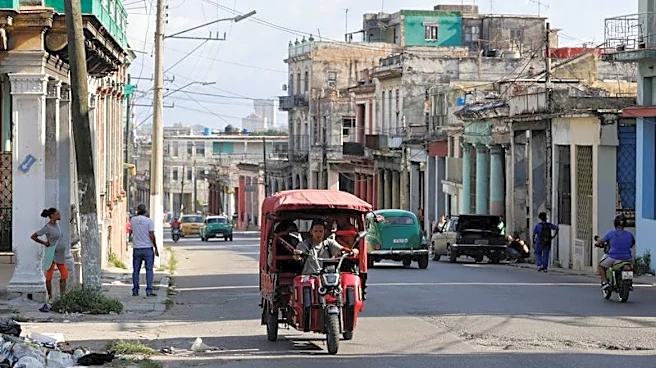
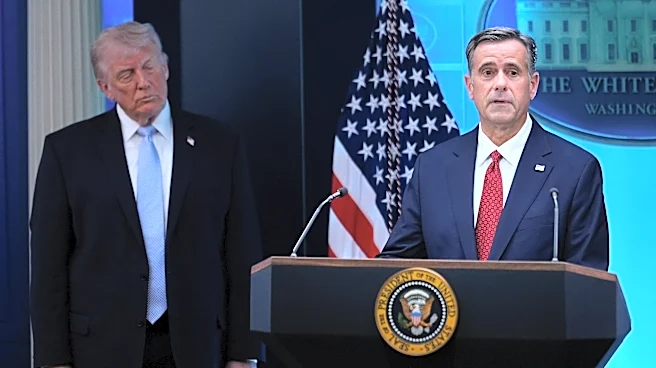
CIA Director John Ratcliffe has issued a warning to Cuban officials, stating that Cuba can no longer serve as a safe haven for adversaries of the United States. During a visit to Havana, Ratcliffe discussed intelligence cooperation, economic stability,
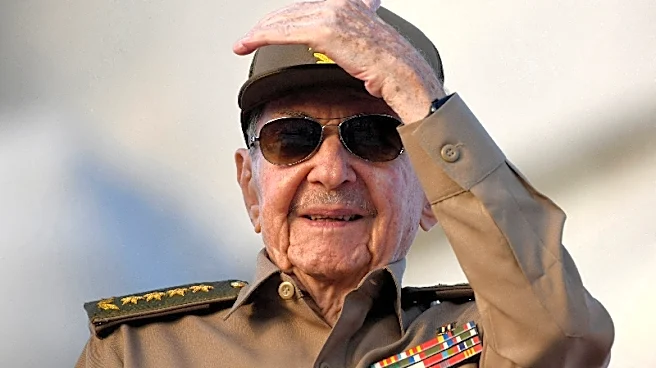
and security issues with Cuban officials, emphasizing the need for fundamental changes in Cuba's policies. The visit comes in the wake of the capture and extradition of Venezuelan dictator Nicolas Maduro, which has led to a reduction in Cuba's oil supply and subsequent economic challenges. Ratcliffe's discussions included the potential for cooperation if Cuba aligns with U.S. interests, amidst ongoing sanctions and the possibility of indicting former Cuban President Raul Castro.
Why It's Important?
This development is significant as it highlights the ongoing geopolitical tensions between the U.S. and Cuba, particularly in the context of Cuba's alliances with countries like China and Russia. The U.S. is leveraging its diplomatic and economic influence to push for changes in Cuba's foreign policy, which could impact regional stability and U.S. national security interests. The potential indictment of Raul Castro and the offer of humanitarian aid underscore the U.S.'s strategic approach to influence Cuba's political landscape. The outcome of these negotiations could affect U.S.-Cuba relations and the broader geopolitical dynamics in the Western Hemisphere.
What's Next?
The Cuban government faces a critical decision on whether to accept U.S. assistance and make the necessary policy changes. The U.S. is likely to continue applying diplomatic and economic pressure, including sanctions, to achieve its objectives. The potential indictment of Raul Castro could further strain relations, while the offer of humanitarian aid presents an opportunity for improved ties. The international community will be watching closely to see how Cuba responds and whether this leads to a shift in its foreign policy and alliances.