






What's Happening?
Scientific evidence indicates that while no single food can prevent cancer, overall dietary and lifestyle patterns significantly influence cancer risk. Luke Coutinho's insights, based on scientific consensus, address common questions about cancer and nutrition.
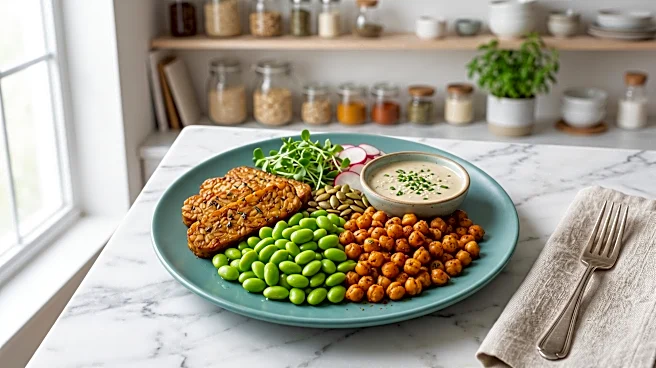
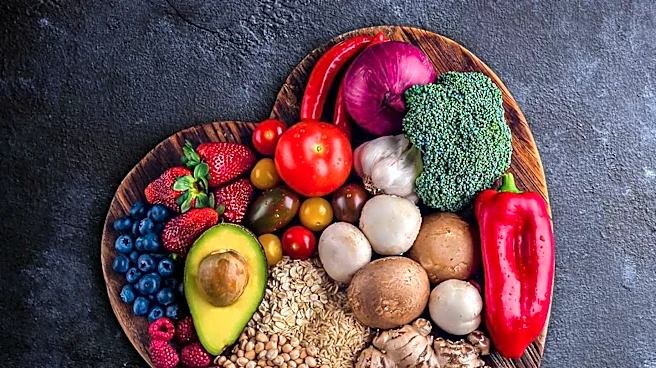
Key findings include that certain dietary factors, such as uncontrolled alcohol consumption and processed meat, are linked to increased cancer risk, particularly colorectal cancer. Conversely, diets rich in whole grains, vegetables, fruits, and legumes are part of established cancer-prevention recommendations. The National Cancer Institute states that eating sugar does not directly cause tumors to grow faster, but excessive sugar intake can contribute to weight gain, which is a risk factor for several cancers. Routine vitamin and mineral supplementation has not been shown to reliably prevent cancer, and some supplements can even be harmful.
Why It's Important?
This information is crucial for public health in the U.S., as it helps clarify common misconceptions about cancer and nutrition, promoting evidence-based practices over fads or unproven claims. By emphasizing overall dietary patterns and lifestyle choices, these guidelines empower individuals to make informed decisions that can genuinely reduce their cancer risk. For cancer patients, understanding that nutrition supports overall well-being during treatment, rather than being a 'cure,' is vital for managing expectations and ensuring adequate nutritional intake. This approach can help reduce anxiety around food choices and improve the quality of life for those undergoing demanding treatments, while also guiding healthcare providers in offering comprehensive, science-backed nutritional advice.
What's Next?
The ongoing effort involves educating the public and healthcare professionals about the nuanced relationship between diet and cancer. This includes promoting varied diets rich in plant foods, limiting processed meats and alcohol, maintaining a healthy body composition, and engaging in regular physical activity. For individuals with a family history of cancer, combining these lifestyle habits with appropriate screening and genetic counseling is recommended. Future research will continue to explore the complex interactions between diet, epigenetics, and cancer development, aiming to refine prevention strategies and personalized nutritional support for patients. The focus will remain on sustainable habits and individualized care plans, rather than quick fixes or miracle ingredients.
Beyond the Headlines
The prevalence of misinformation regarding cancer and nutrition highlights a broader challenge in public health communication: distinguishing scientific evidence from anecdotal claims or marketing hype. This issue has ethical implications, as false hope or unnecessary dietary restrictions can negatively impact patients' physical and mental health. There's a need for greater media literacy and critical thinking skills among the public to evaluate health information. Furthermore, addressing the socioeconomic determinants of healthy eating—such as access to affordable, nutritious food—is essential for ensuring that science-backed nutritional advice can be practically implemented across all segments of society, reducing health disparities in cancer prevention and care.