


What's Happening?
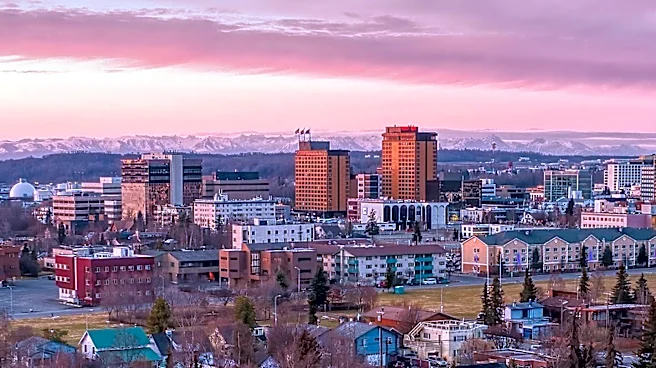
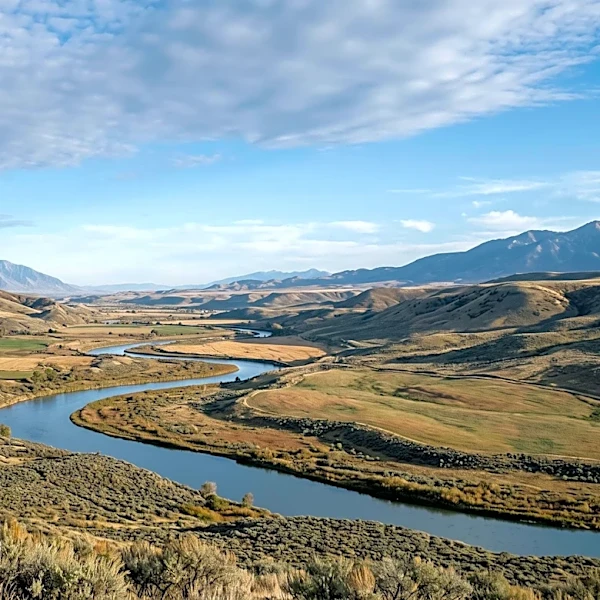
The Municipality of Anchorage is initiating a land swap to facilitate increased housing development within the city. Development officials are proposing to trade an unused 10-acre parcel in Midtown, known as Tozier Track, for a 1.6-acre state-owned plot
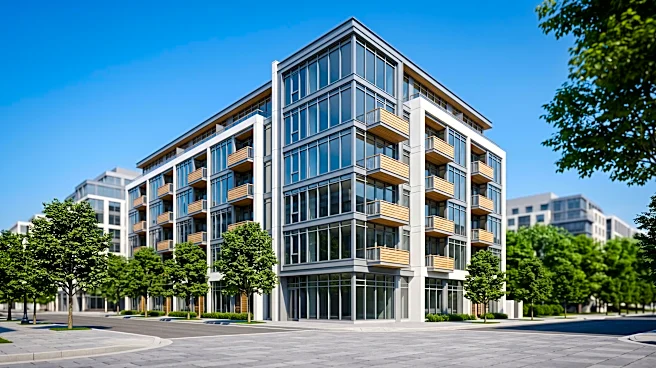
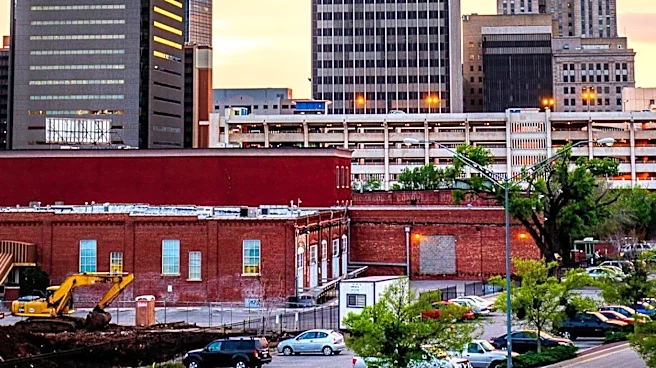
downtown, referred to as Block 102. The Anchorage Community Development Authority (ACDA) is spearheading this effort, with its director, Mike Robbins, presenting the ordinance to the Anchorage Assembly. The Tozier Track, formerly a mushing venue, is largely vacant, while Block 102 is currently a parking lot. Both parcels are appraised at similar values, with Tozier at $4.13 million and Block 102 at $5.24 million. The proposed housing units are intended for the 'missing middle' of the real estate market, targeting individuals earning 80% to 120% of the area median income, offering apartments, townhomes, and houses. The ordinance specifies that at least 70% of the land on either site must be developed for residential dwellings, with a minimum density of eight dwellings per acre, excluding single-family homes on large lots.
Why It's Important?
This land swap is a strategic move by the Municipality of Anchorage to address housing needs and revitalize downtown areas. By exchanging the Midtown parcel for a downtown lot, the city aims to leverage the strengths of different development entities. The Alaska Housing Finance Corp. is deemed better equipped to develop the larger Midtown tract, given its experience with similar-scale projects, while the ACDA is positioned to integrate Block 102 into its ongoing downtown revitalization efforts. This initiative seeks to increase the availability of affordable housing for a crucial segment of the population, the 'missing middle,' which often struggles to find suitable options. The focus on higher-density residential development also aligns with urban planning goals to maximize land use and potentially reduce urban sprawl. Assembly member Erin Baldwin Day, however, raised concerns about whether land alone is sufficient to ensure affordable housing development, highlighting the need for additional capital and loans in the current fiscal environment.
What's Next?
The Anchorage Assembly is currently reviewing the proposed ordinance for the land swap. If approved, the trade could be finalized as early as October. Following the approval, the Alaska Housing Finance Corp. would proceed with developing the Tozier Track in Midtown, while the Anchorage Community Development Authority would take charge of developing Block 102 downtown. The development plans will need to adhere to the ordinance's conditions regarding residential density and the proportion of land dedicated to housing. The concerns raised by Assembly member Erin Baldwin Day regarding the need for capital beyond just land acquisition suggest that future discussions or initiatives might focus on securing additional funding or loan programs to ensure the successful completion of affordable housing projects. The public will likely monitor the progress of these developments and their impact on housing availability and affordability in Anchorage.
Beyond the Headlines
The proposed land swap in Anchorage reflects a broader trend in urban planning where municipalities are actively seeking innovative solutions to address housing shortages and promote sustainable growth. By strategically reallocating public land, the city aims to stimulate development in key areas and cater to specific demographic needs. The emphasis on the 'missing middle' highlights a growing recognition of the challenges faced by middle-income households in accessing affordable housing, a demographic often overlooked in discussions focused solely on low-income housing. This initiative also underscores the importance of collaboration between municipal development authorities and state housing corporations to achieve complex urban development goals. The debate over whether land alone is sufficient for affordable housing development points to the intricate financial and logistical challenges inherent in such projects, suggesting that successful outcomes often require a multi-faceted approach involving land, capital, and supportive policies.