



What's Happening?
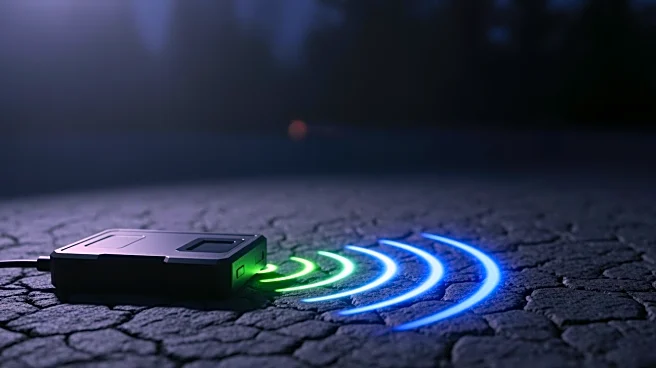
Law enforcement agencies have deployed a signal sniffer attached to low-flying helicopters in the search for Nancy Guthrie. This technology is being used to detect transmissions from Guthrie's pacemaker, which could provide crucial information on her
whereabouts. The use of such technology highlights the advanced methods being employed in missing person cases, aiming to leverage any available electronic signals to locate individuals. The search for Guthrie has intensified, with authorities focusing on areas where the signal might be detected, hoping to bring a resolution to the case.
Why It's Important?
The deployment of a signal sniffer in the search for Nancy Guthrie underscores the increasing reliance on technology in law enforcement operations. This approach not only demonstrates the innovative use of available technology to solve cases but also highlights the potential for electronic devices to aid in emergency situations. The successful use of such technology could set a precedent for future missing person cases, potentially leading to quicker resolutions and providing families with much-needed closure. It also raises questions about privacy and the extent to which personal medical devices can be used in law enforcement activities.
What's Next?
As the search for Nancy Guthrie continues, law enforcement will likely expand their efforts to cover more areas where the pacemaker's signal could be detected. The outcome of this search could influence future protocols in missing person investigations, particularly in cases involving individuals with electronic medical devices. Additionally, there may be discussions on the ethical implications of using personal medical data in such searches, potentially leading to new guidelines or regulations.