



What's Happening?
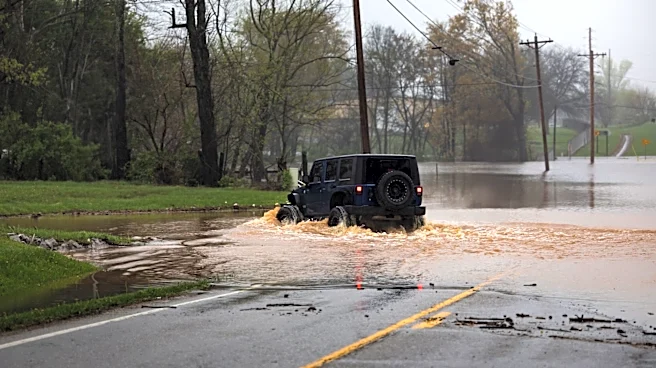
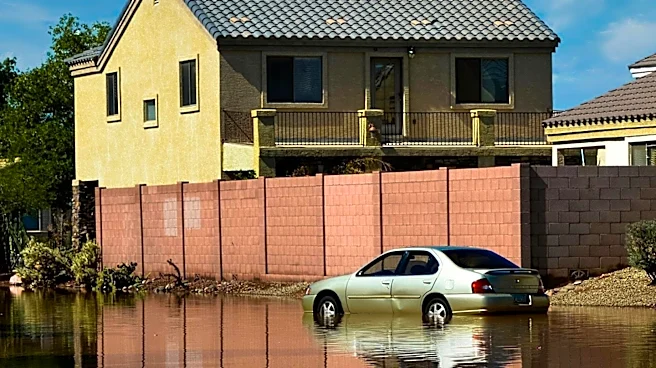
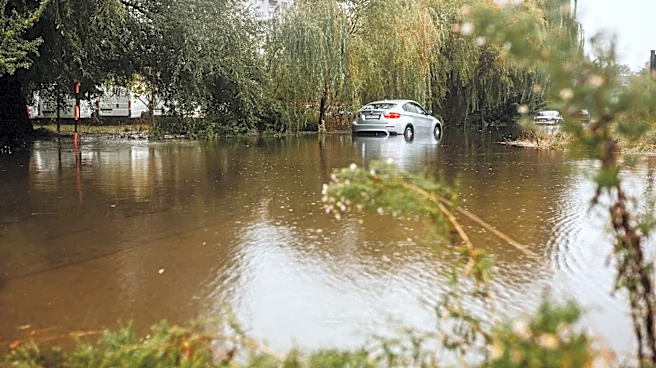
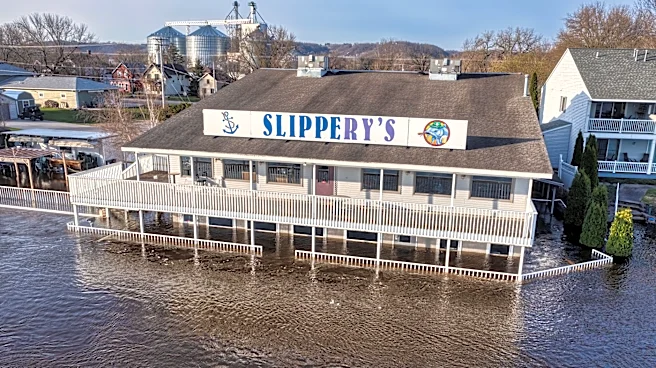
Drenching storms have impacted the Midwest for a sixth consecutive day, leading to severe flooding that has displaced hundreds of residents and left over 300,000 without power. Parts of Indiana have experienced rainfall levels described as a 1-in-1,000
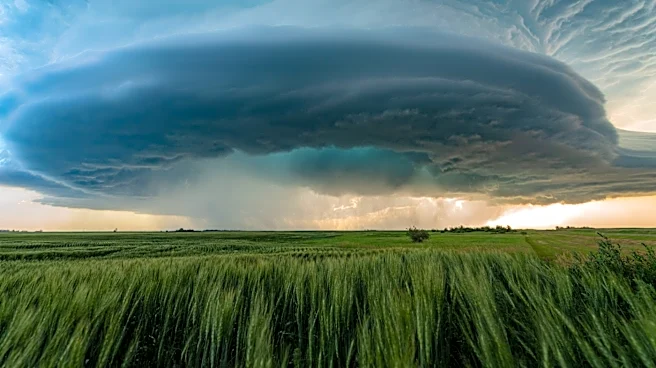
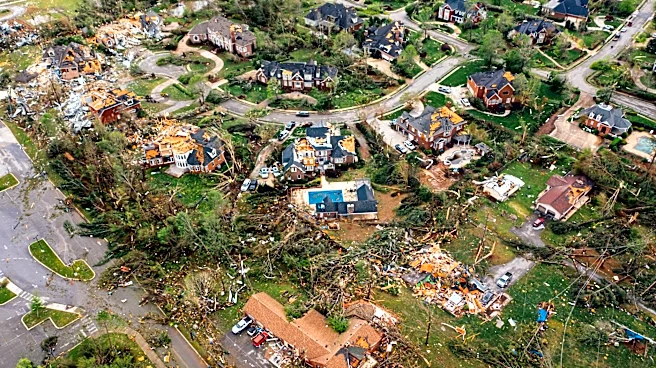
year event, prompting extensive water rescues and evacuations. Indiana Governor Mike Braun declared a statewide disaster emergency and mobilized the Indiana National Guard. Ohio Governor Mike DeWine issued warnings for residents in western Ohio regarding a potentially dangerous situation overnight. This catastrophic flooding follows a deadly derecho, an unusually long-lasting windstorm, that tore through the region earlier in the week. At least two fatalities have been reported: a 4-year-old boy in southeastern Indiana died after a tree fell on a house, and another person was found dead in Portage, Indiana, following an apparent explosion and house fire after the derecho. Water rescues are ongoing in several Indiana counties, and rivers like the White River in Anderson, Indiana, have reached record crests, the highest in over a century, necessitating evacuations in Anderson and Muncie. Over 200,000 homes and businesses in Indiana alone, and more than 300,000 across the Midwest and Ohio Valley, remain without power, with some utility providers estimating over a week for full restoration.
Why It's Important?
The prolonged and severe weather events in the Midwest carry significant implications for public safety, infrastructure, and regional economies. The displacement of hundreds of people and the extensive power outages for hundreds of thousands underscore the immediate humanitarian crisis. The declaration of a statewide disaster emergency and the mobilization of the National Guard highlight the strain on state resources and emergency services. The economic impact is substantial, with homes and businesses damaged or destroyed, leading to considerable costs for recovery and rebuilding. The record-breaking rainfall and river crests indicate an increasing vulnerability of existing infrastructure to extreme weather, raising questions about long-term resilience and climate adaptation strategies. The combination of a derecho followed by persistent, heavy flooding presents a complex challenge for emergency responders and affected communities, potentially leading to prolonged disruption of daily life and economic activity. The fatalities reported serve as a stark reminder of the life-threatening nature of these events.
What's Next?
The flood threat is expected to ease somewhat by Saturday but will not entirely disappear. The primary corridor for heavy rain is projected to shift north and east, maintaining a Level 2 of 4 risk of flooding across northern Illinois, Wisconsin, northern Indiana, Ohio, and parts of the central Appalachians. An upgrade to this risk level remains possible depending on the impact of Friday's storms. Iowa and northwestern Illinois face the highest risk of flooding rain on Friday, with a Level 3 of 4 risk, and significant flash flooding is anticipated. Forecast models suggest that some areas could receive more than 5 inches of rain, with isolated totals potentially exceeding 8 inches. Given the already saturated ground, even moderate rainfall could trigger new flooding. A reprieve from the storms is expected by Sunday. Emergency services will continue search efforts for a missing 18-year-old in Delaware County, Indiana, and power restoration efforts will persist, with some areas facing outages for over a week. Communities will begin assessing the full extent of the damage and initiating recovery plans.
Beyond the Headlines
The series of extreme weather events in the Midwest, including a deadly derecho followed by historic flooding, raises deeper questions about the changing patterns of severe weather and their long-term implications for the United States. The occurrence of '1-in-1,000 year rainfall' events with increasing frequency suggests a need to re-evaluate current infrastructure standards and urban planning to better withstand future climate impacts. The psychological toll on communities experiencing repeated disasters, coupled with the economic burden of recovery, could lead to long-term social and demographic shifts in affected regions. Furthermore, the extensive and prolonged power outages highlight vulnerabilities in critical infrastructure systems, prompting discussions on grid modernization and resilience. The events underscore the interconnectedness of different weather phenomena and the cascading effects they can have on human lives, local economies, and the environment, necessitating a comprehensive and proactive approach to disaster preparedness and climate adaptation.