


What's Happening?
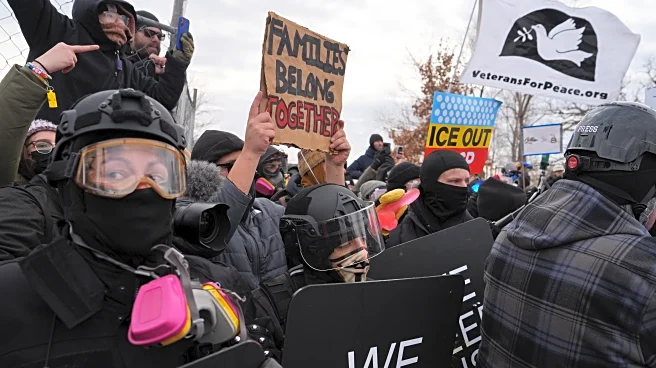
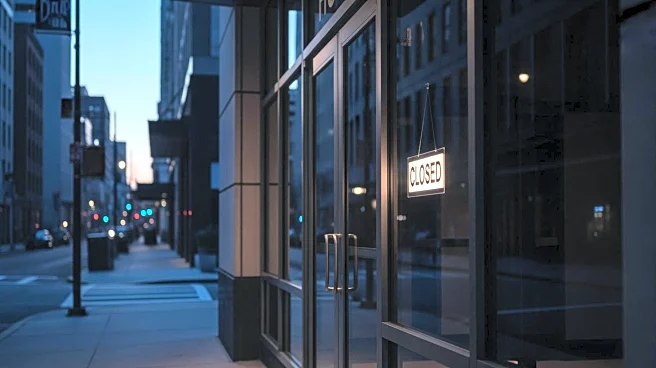
The DoubleTree by Hilton St. Paul Downtown has announced a sudden closure, instructing guests to vacate the premises by noon due to heightened public safety concerns. This decision comes amidst ongoing immigration protests in the Minneapolis-St. Paul area,
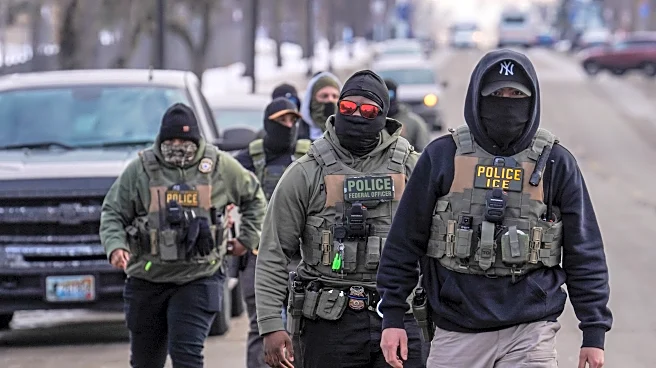
which have led to increased civil disorder and vandalism risks. The hotel, along with others in the vicinity, has been under pressure as some establishments are perceived to be housing federal agents, making them potential targets for demonstrations. The hotel is offering guests a refund for the previous night or assistance in finding alternative accommodations at the same rate as their canceled booking. The closure is part of a broader trend in the area, with several hotels and businesses shutting down temporarily due to safety concerns.
Why It's Important?
The abrupt closure of the DoubleTree by Hilton highlights the escalating tensions in the Minneapolis-St. Paul area related to federal immigration operations. The protests, which have intensified following the fatal shooting of Renee Good by an ICE agent, underscore the community's unrest and the challenges faced by local businesses. Hotels, often seen as potential shelters for federal personnel, are particularly vulnerable, leading to significant disruptions in the hospitality sector. This situation not only affects the local economy but also raises questions about the balance between public safety and civil liberties. The closures of immigrant-owned businesses further illustrate the widespread impact on the community, as fear of protests and potential ICE actions drive economic instability.
What's Next?
The situation in Minneapolis-St. Paul is likely to remain tense as federal immigration operations continue. Hotels and businesses may face ongoing disruptions, and further closures could occur if safety concerns persist. The local government and law enforcement agencies will need to address the underlying issues fueling the protests to restore stability. Additionally, the hospitality industry may need to reassess its strategies for dealing with such crises, potentially leading to changes in security protocols and guest management practices. The broader implications for immigration policy and community relations will also be a critical area of focus in the coming months.