



What's Happening?
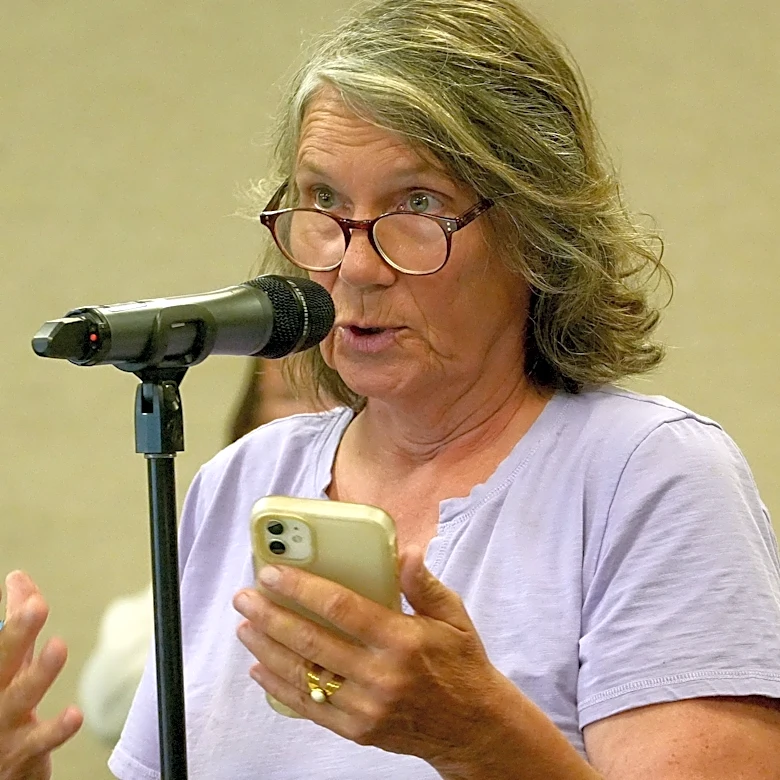
Monica Meeks, a former employee of the Tennessee Department of Commerce and Insurance, has been granted the right to continue her First Amendment discrimination lawsuit. This decision comes after a motion to dismiss the case was denied by Judge Aleta
Trauger. Meeks was terminated last year, hours after posting a comment on her personal Facebook page regarding the death of conservative commentator Charlie Kirk. Her post, which did not identify her as a state employee, stated, “the way you tap dance for White Supremacist should be studied!” This case is one of several in Tennessee where government employees have sued over disciplinary actions or termination following comments made after Kirk’s death. Republican gubernatorial nominee Marsha Blackburn has been actively urging state entities to penalize these employees, many of whom have since received settlement payouts. Blackburn also recently called on the University of Tennessee leadership to “ensure reverence” on the one-year anniversary of Kirk’s death.
Why It's Important?
This ruling is significant for First Amendment rights, particularly concerning the free speech of government employees on their personal social media accounts. The ability of Monica Meeks to pursue her lawsuit could set a precedent for how public sector employers in Tennessee, and potentially nationwide, handle employee speech outside of work. It highlights the ongoing tension between an individual's right to free expression and an employer's right to maintain a certain public image or workplace conduct. The involvement of Republican gubernatorial nominee Marsha Blackburn in advocating for the punishment of these employees underscores the political and ideological dimensions of such cases, suggesting that the outcomes could have broader implications for political discourse and employee protections within state government. The case also brings to light the increasing scrutiny of social media activity by employers and the legal challenges that arise when such activity leads to employment consequences.
What's Next?
Monica Meeks' lawsuit will now proceed, moving past the initial dismissal phase. This means the case will likely involve further legal proceedings, including discovery and potentially a trial, to determine whether her First Amendment rights were violated. The outcome of this case could influence future policies regarding social media use for state employees in Tennessee and potentially impact similar cases across the country. Major stakeholders, including state government agencies, employee unions, and civil liberties organizations, will likely be closely watching the developments. Depending on the final ruling, there could be calls for clearer guidelines on employee social media conduct or, conversely, stronger protections for free speech rights. The ongoing political involvement, as evidenced by Marsha Blackburn's statements, suggests that this issue will remain a subject of public and political debate.
Beyond the Headlines
The case delves into the complex ethical and legal boundaries of free speech in the digital age, particularly for individuals employed by the government. It raises questions about the extent to which an individual's personal online expressions can be separated from their professional identity, especially when those expressions are deemed controversial or politically charged. The differing reactions from political figures like Marsha Blackburn highlight a cultural divide on what constitutes appropriate public discourse and the role of employers in regulating it. This situation could contribute to a broader re-evaluation of employment contracts and social media policies, potentially leading to more explicit guidelines or, conversely, a chilling effect on public employees' willingness to express personal opinions online. The long-term shift could involve a more robust legal framework for protecting or limiting employee speech, reflecting evolving societal norms around digital communication and individual liberties.