








What's Happening?
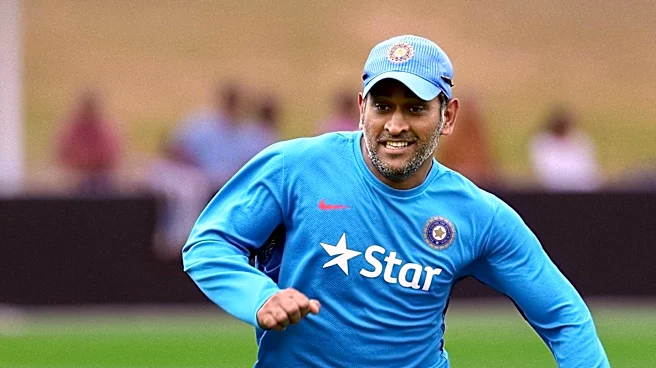
Former India cricket captain MS Dhoni has issued a call to action for younger generations, specifically Gen Z and Gen Alpha, emphasizing the critical importance of physical activity and health. Speaking at an event alongside writer Javed Akhtar, Dhoni highlighted
how modern sedentary lifestyles, prolonged sitting, and unhealthy dietary habits pose significant long-term health risks for young people. He advised integrating physical activity and sports into daily routines, warning that the consequences of an inactive lifestyle might not be immediately apparent but could manifest noticeably after the age of 30. Dhoni's message underscores the need for consistent effort in maintaining health, advocating for healthier food choices and habits that support long-term well-being amidst contemporary pressures.
Why It's Important?
This message is important for the U.S. as it addresses a growing public health concern regarding the physical well-being of younger generations. The trends identified by Dhoni—sedentary lifestyles and poor eating habits—are prevalent in the U.S. and contribute to rising rates of obesity, chronic diseases, and mental health issues among youth. His advice could influence public health campaigns and educational initiatives aimed at promoting healthier living among Gen Z and Gen Alpha. Encouraging physical activity and better nutrition can lead to a healthier workforce, reduced healthcare costs, and improved overall societal well-being. Businesses in the health and fitness industry, as well as food and beverage sectors, may see shifts in consumer demand as younger generations become more health-conscious, potentially leading to increased investment in wellness products and services.
What's Next?
Following such high-profile endorsements, there could be increased public discourse and initiatives focusing on youth health. Educational institutions might enhance their physical education programs, and community organizations could expand access to sports and recreational activities. Health and wellness brands may leverage this growing awareness to market products and services tailored to younger demographics. Policy discussions could also emerge regarding urban planning to create more walkable and active communities, and regulations around food marketing to children. The long-term impact will depend on how effectively these messages translate into sustained behavioral changes and supportive environmental factors, potentially leading to a generation that is more proactive about their physical health.
Beyond the Headlines
Beyond the immediate health implications, Dhoni's message touches upon broader societal shifts. The emphasis on physical well-being reflects a growing recognition that health is not merely the absence of illness but a holistic state influenced by lifestyle choices. This perspective could foster a cultural shift where physical activity is seen as integral to personal development and success, rather than just a recreational pursuit. It also highlights the intergenerational responsibility to guide younger individuals toward sustainable health practices in an increasingly digital and sedentary world. The challenge lies in counteracting the pervasive influence of technology and convenience that often discourages physical movement, prompting a re-evaluation of how modern life impacts fundamental human needs for activity and connection with the physical world.