
What's Happening?
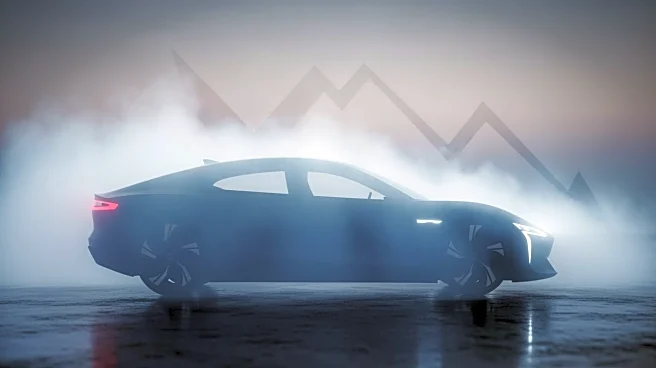
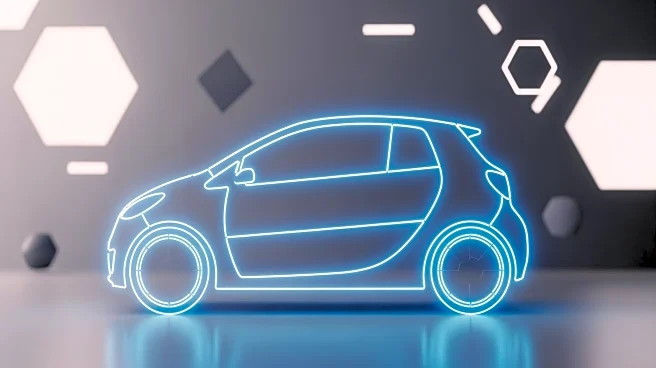
The European Union has announced a new category for small electric vehicles, termed 'M1E', as part of its 'Automotive Package'. This initiative aims to encourage automakers to produce affordable electric cars
within the EU. To qualify for the M1E class, vehicles must be fully electric, no longer than 4.2 meters, and assembled in one of the EU's 27 member states. Automakers will benefit from 'super credits', where each M1E-certified vehicle counts as 1.3 towards CO2 compliance targets, providing a 30% advantage. This move is designed to simplify the legal framework for member states to incentivize small EVs through subsidies and tax breaks, while also safeguarding local jobs by requiring production within the EU.
Why It's Important?
The introduction of the M1E category is significant as it aligns with the EU's commitment to an electric future, despite loosening fleet emissions targets to allow combustion engines beyond 2035. By incentivizing the production of small, affordable electric vehicles, the EU aims to drive the transition to electric mobility. This initiative not only supports environmental goals by reducing CO2 emissions but also strengthens the EU's automotive industry by protecting local jobs and reducing reliance on imports, particularly from China. The policy could lead to increased availability and affordability of electric vehicles for consumers, potentially accelerating the adoption of EVs across Europe.
What's Next?
Automakers are expected to respond positively to the M1E category, as it provides a clear framework and incentives for producing small electric vehicles. The EU plans to freeze the requirements for this category for 10 years, offering stability for long-term planning. Additionally, the ability to 'bank and borrow' emissions credits over a three-year period will help manufacturers meet intermediate emissions targets. As the EU continues to push for a 90% reduction in CO2 emissions by 2035, the M1E category will play a crucial role in achieving these goals while allowing some flexibility for combustion-engine vehicles powered by e-fuels and biofuels.