






What's Happening?
Following the accidental shooting death of a 5-year-old in Sandy, Utah, the Gun Violence Prevention Center of Utah and its GunSafe Families project are urging firearm owners to adopt secure storage practices. Terri Gilfillan, outreach coordinator for
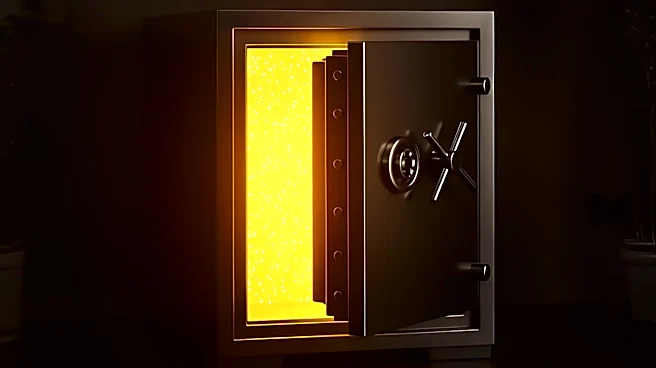
the organization, highlighted that accidental shootings involving young children accessing firearms have been a recurring issue in Utah since 2016. The GunSafe Families program promotes the use of biometric safes, which can be opened with a firearm owner's fingerprint, addressing concerns about quick access during emergencies. These handgun-sized safes also include backup access methods. The organization emphasizes that their campaign is not about disarming individuals but about adding a layer of protection for families by preventing children from accidentally accessing firearms. They also offer lower-cost temporary storage solutions and provide free trigger locks at Salt Lake County libraries, though they consider locked safes a more secure option, especially for households with older children or teenagers.
Why It's Important?
This initiative is important as it directly addresses the critical public safety issue of accidental firearm deaths and injuries, particularly among children. The promotion of biometric safes offers a technological solution that balances firearm owners' desire for quick access in self-defense scenarios with the paramount need for child safety. By providing both advanced biometric options and simpler, temporary storage ideas, GunSafe Families aims to make secure firearm storage accessible to a wider range of gun owners. The involvement of community events and partnerships with mental health organizations, police departments, first responders, and trauma nurses underscores a multi-faceted approach to gun safety education. This effort could significantly reduce preventable tragedies, fostering a safer environment for children in homes where firearms are present, and potentially influencing broader gun safety practices across the state and beyond.
What's Next?
The GunSafe Families project will continue its efforts to distribute biometric safes through community events and partnerships with various organizations, including mental health groups, police departments, and first responders. They will also persist in offering information on lower-cost temporary storage solutions and making free trigger locks available at Salt Lake County libraries. The organization's ongoing tracking of accidental shootings in Utah will likely inform future outreach strategies and highlight areas where secure storage education is most needed. The success of this program in reducing accidental shootings could serve as a model for other states and communities grappling with similar issues, potentially leading to increased adoption of biometric and other secure firearm storage technologies nationwide. Continued collaboration with law enforcement and healthcare professionals will be crucial in expanding the reach and impact of these gun safety initiatives.
Beyond the Headlines
The push for biometric firearm safes and secure storage highlights a broader societal challenge: how to reconcile Second Amendment rights with public safety, especially concerning children. The adoption of biometric technology in firearms and storage solutions represents a significant shift towards integrating advanced security features into gun ownership, moving beyond traditional locks. This technological evolution could redefine responsible gun ownership by offering a practical solution to a long-standing dilemma. Furthermore, the initiative underscores the importance of community-led interventions and educational campaigns in addressing gun violence, rather than solely relying on legislative measures. It also touches upon the ethical responsibility of firearm owners to prevent unauthorized access, particularly by minors, and the potential for technology to facilitate this responsibility without compromising self-defense capabilities. The long-term impact could be a cultural shift in how firearms are stored and perceived within households, prioritizing safety through innovation.