




What's Happening?
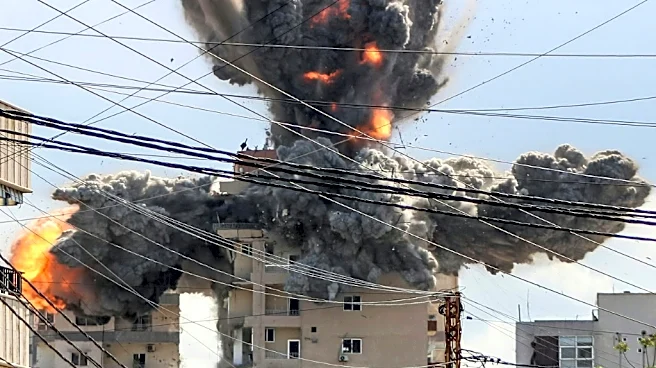
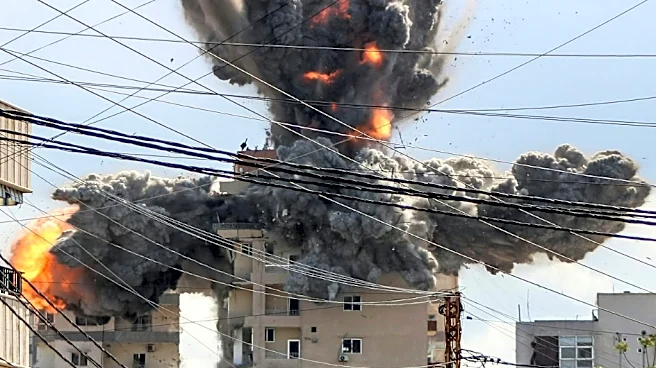
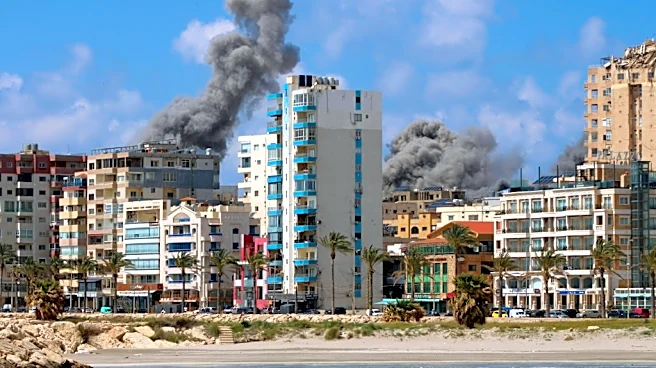
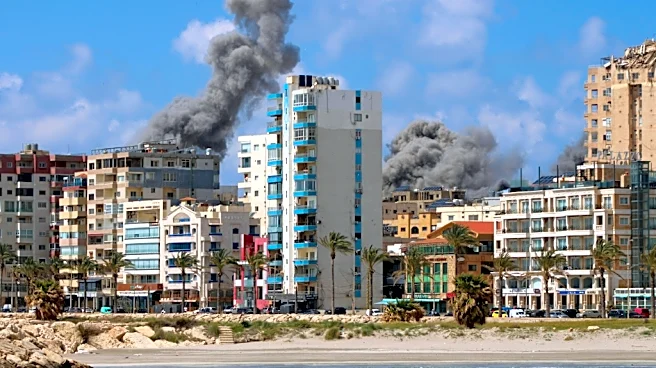
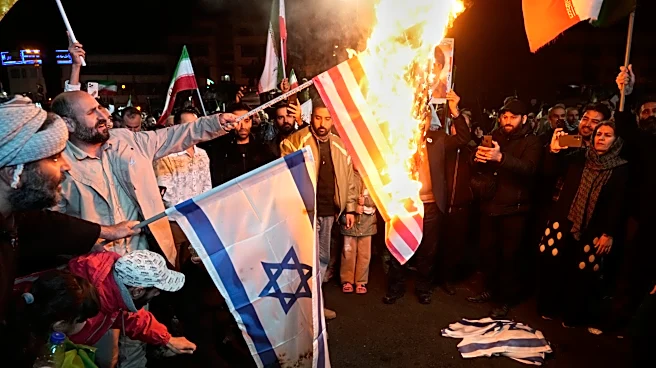
Israeli airstrikes have targeted central Beirut, Lebanon, despite a ceasefire announcement in the ongoing conflict involving the US, Israel, and Iran. Israel has stated that the ceasefire does not apply to its operations against Hezbollah, which has not agreed
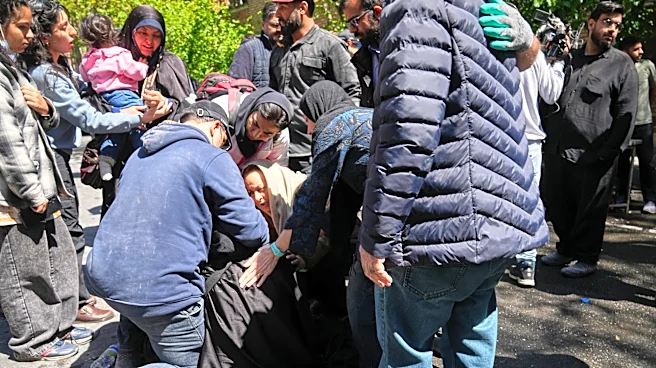
to the ceasefire terms. The strikes have resulted in significant destruction and casualties, with images showing rescue workers and volunteers responding to the aftermath. The situation remains volatile as the ceasefire's applicability to Lebanon is disputed.
Why It's Important?
The continuation of Israeli airstrikes in Beirut highlights the complexities and challenges in implementing ceasefires in conflict zones. The humanitarian impact is severe, with civilian casualties and infrastructure damage exacerbating Lebanon's existing crises. This development could further destabilize the region, potentially drawing in additional international actors and complicating diplomatic efforts to achieve peace. The situation underscores the need for clear communication and agreement among all parties involved in ceasefire negotiations.
What's Next?
International diplomatic efforts may intensify to clarify the terms of the ceasefire and address the ongoing violence in Lebanon. Humanitarian organizations are likely to call for increased aid and support for affected civilians. The situation could lead to further discussions at the United Nations and among key international stakeholders to seek a resolution to the conflict and prevent further escalation.