


What's Happening?
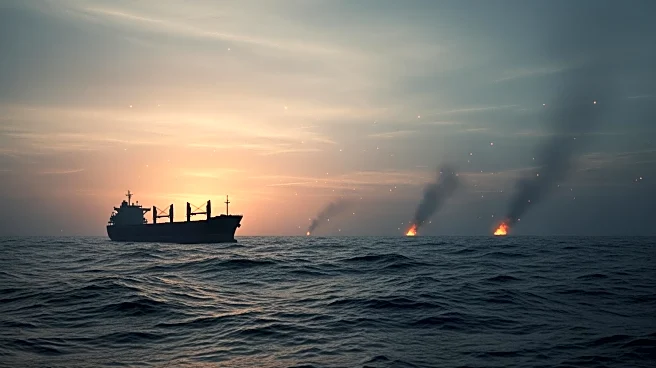
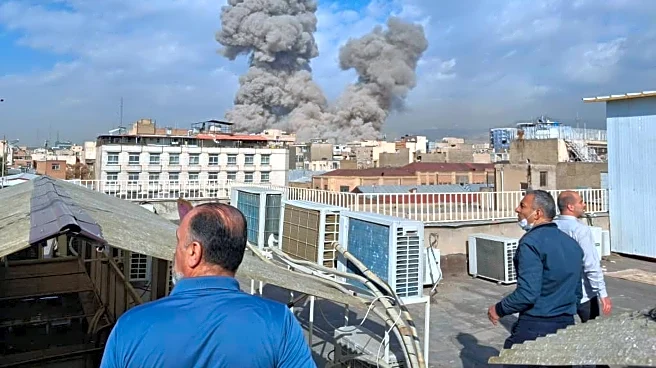
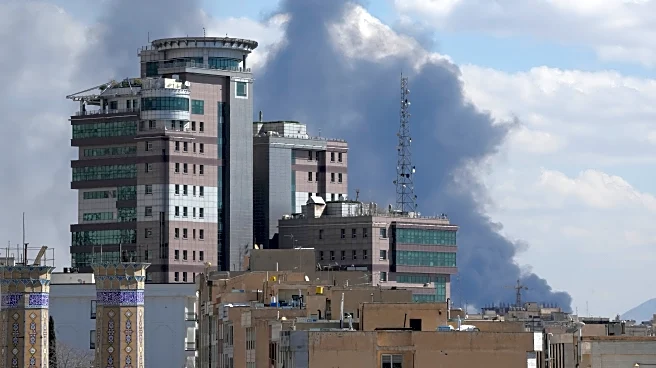
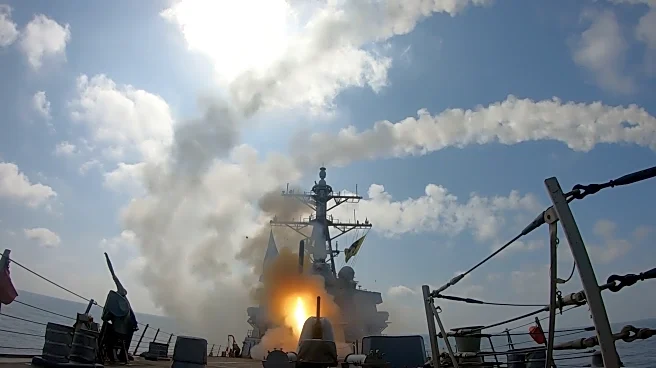
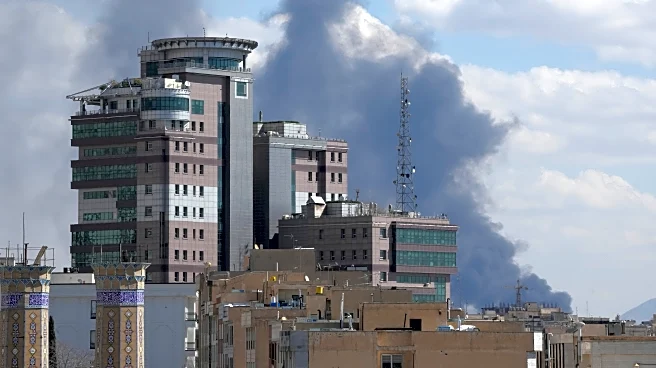
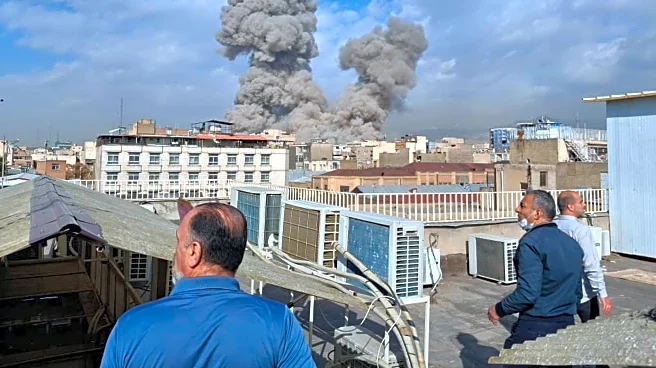
The Persian Gulf is experiencing significant disruptions as tensions between the U.S. and Iran escalate, leading to a near closure of the Strait of Hormuz. This strategic waterway is crucial for global oil transportation, and recent attacks have caused
at least 40 very-large crude carriers (VLCCs) to remain idle in the Gulf. These tankers, each carrying approximately 2 million barrels of oil, are waiting for the security situation to stabilize before proceeding. The Joint Maritime Information Center has raised its security alert to 'critical' due to confirmed missile and drone attacks on commercial vessels. Additionally, major maritime insurance clubs have withdrawn war-risk insurance for vessels entering the Gulf, further complicating the situation. The disruption is affecting not only oil but also liquefied natural gas (LNG) shipments, with Qatar being a major exporter. The situation is exacerbated by potential threats in the Red Sea, where Houthi militias have targeted commercial ships.
Why It's Important?
The current situation in the Persian Gulf has significant implications for global energy markets and geopolitical stability. The Strait of Hormuz is a vital transit route for about one-fifth of the world's oil supply, and any prolonged disruption could lead to increased oil prices and supply chain challenges. Importing nations are already feeling the impact, and if the crisis continues, oil producers may face storage issues, potentially leading to production shutdowns. The withdrawal of war-risk insurance adds another layer of complexity, as it increases the financial risk for shipping companies operating in the region. The situation also highlights the broader geopolitical tensions between the U.S. and Iran, with potential repercussions for international relations and regional security.
What's Next?
If the security situation does not improve, the Persian Gulf could see a prolonged disruption in oil and LNG shipments, affecting global energy markets. Shipping companies may continue to adopt a 'wait-and-see' approach, leading to inefficiencies and delays. The international community, including major oil-importing countries, may need to engage in diplomatic efforts to de-escalate tensions and ensure the safe passage of vessels. Additionally, the potential for further attacks in the Red Sea by Houthi militias could lead to rerouting of shipping lanes, increasing transit times and costs. Monitoring the situation closely will be crucial for stakeholders in the energy and shipping industries.