




What's Happening?
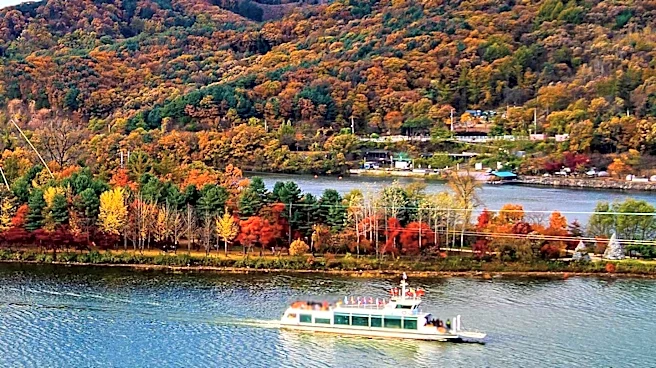
Northern Michigan is witnessing a significant increase in fall tourism, driven by the autumn leaf-peeping season. This surge in visitors is providing a crucial boost to the regional economy during what has historically been a slower period. Local tourism officials,
including Trevor Tkach, president and CEO of Traverse City Tourism, and Amanda Wilkin, executive director of Visit Charlevoix, confirm that fall tourism has grown substantially over the past decade. The region's appeal as a prime fall destination has garnered national media attention, attracting visitors from various states, particularly from the South, including Texas, North Carolina, South Carolina, and Florida. This influx of tourists helps sustain local businesses, both directly tourism-related and otherwise, and supports year-round employment for residents.
Why It's Important?
The growth of fall tourism in Northern Michigan is vital for the economic stability and resilience of the region. By extending the tourist season beyond the traditional summer months, it provides consistent revenue streams for small businesses that might otherwise face significant downturns. This sustained economic activity helps maintain a vibrant local infrastructure, including restaurants, shops, and event venues, which benefits not only tourists but also year-round residents such as teachers and healthcare workers. The ability to offer more stable, year-round employment opportunities contributes to community well-being and reduces seasonal economic volatility. Furthermore, the increasing national recognition of Northern Michigan as a fall destination enhances its overall brand and attractiveness, potentially leading to further investment and development in the tourism sector.
What's Next?
The continued growth of fall tourism suggests a need for ongoing strategic planning by local tourism boards and businesses to accommodate the increasing number of visitors. This may involve developing new attractions or enhancing existing ones to manage crowds and maintain visitor satisfaction. Efforts to promote the staggered timing of peak foliage across Michigan could further distribute tourist traffic, optimizing the experience for visitors and reducing pressure on specific areas. Local officials will likely continue to leverage national media attention to market the region, potentially exploring new campaigns targeting diverse demographics. Additionally, there may be a focus on sustainable tourism practices to ensure that the natural beauty attracting these visitors is preserved for future seasons and generations.
Beyond the Headlines
The rise of fall tourism in Northern Michigan highlights a broader trend in travel preferences, where travelers are increasingly seeking diverse seasonal experiences beyond traditional peak times. This shift can lead to a more balanced distribution of tourism's economic benefits throughout the year, reducing the boom-and-bust cycles often associated with highly seasonal destinations. It also underscores the value of natural landscapes and seasonal phenomena, like autumn foliage, as significant economic drivers. The increased visitor numbers could also prompt discussions around infrastructure development, environmental conservation, and community planning to ensure that tourism growth remains sustainable and beneficial for both visitors and local populations, preventing potential overtourism issues seen in other popular destinations.