








What's Happening?
Florida SouthWestern State College (FSW) has launched a new agriculture initiative at its Hendry/Glades Curtis Center in LaBelle. This program aims to expand educational opportunities in agriculture, agribusiness, precision agriculture, and emerging agricultural
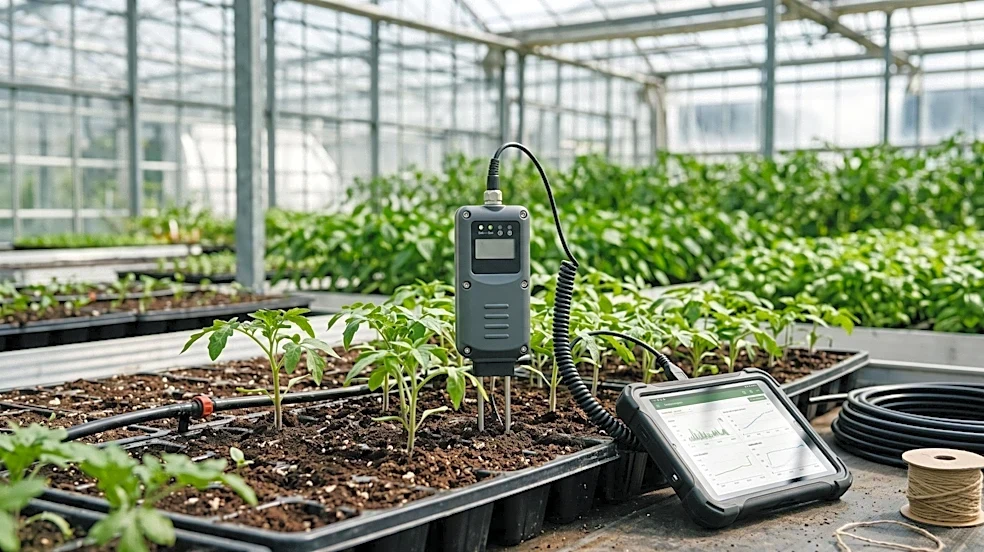
technologies. The curriculum, which began this fall, includes courses such as Microcomputer Applications, Introduction to Soil Science, Introduction to Precision Agriculture, and Principles of Agribusiness Management. Future courses planned for spring 2027 will cover topics like Profitability in Farming, Southwest Florida Farm Tours, Introduction to Environmental Science, and Fundamentals of Geographic Information Systems. This initiative is a direct response to the evolving needs of Florida's agricultural industry, which faces an aging workforce and rapid technological advancements. Dr. Henry Akwah, director of Agricultural Technology and Supply Chain Management at FSW, emphasized that modern agriculture has transformed into a global agri-food system influenced by global markets, policies, and supply chains, necessitating a new skill set for the workforce.
Why It's Important?
This initiative is crucial for addressing two significant challenges in the U.S. agricultural sector: preparing the next generation of agricultural professionals and equipping the current workforce with essential technology and business skills. As many farmers approach retirement, there is a growing need for new talent to sustain the industry. The integration of modern technologies like artificial intelligence, drones, sensors, and data analytics is reshaping farming practices, making it imperative for agricultural workers to possess these advanced skills. By offering hands-on, field-based learning experiences combined with classroom instruction, FSW is creating a local pathway for students to enter this evolving field. This program will help ensure the continued productivity and efficiency of Southwest Florida's agricultural industry, a major economic driver for the region, by fostering a skilled workforce capable of optimizing yields with existing resources and addressing global food security challenges.
What's Next?
The FSW agriculture initiative will continue to expand its curriculum in spring 2027 with additional courses designed to provide students with a comprehensive understanding of modern agriculture from technological, environmental, and business perspectives. The college plans to further develop its offerings to meet the ongoing demands of the industry and local employers. This includes fostering partnerships and responding to feedback from business advisory councils to ensure the curriculum remains relevant and effective. The success of this program could serve as a model for other educational institutions in agricultural regions facing similar workforce challenges. The initiative also aligns with broader state efforts, such as Florida Commissioner of Agriculture Wilton Simpson declaring 2026 as 'The Year of the Farmer,' highlighting the state's commitment to supporting its agricultural sector and protecting working agricultural land.
Beyond the Headlines
The FSW initiative highlights a broader national trend in agriculture: the increasing reliance on technology and data-driven decision-making. The shift from traditional farming methods to precision agriculture, incorporating tools like GIS, AI, and drones, signifies a fundamental transformation in how food is produced. This evolution not only impacts the skills required for agricultural jobs but also raises ethical considerations regarding data privacy, the digital divide in rural communities, and the potential for increased automation to displace certain types of labor. Furthermore, the program's focus on optimizing efficiency and generating higher yields with limited resources underscores the critical role of technology in addressing global food security and environmental sustainability. By investing in education that bridges traditional agricultural knowledge with modern technological tools, FSW is contributing to a more resilient and technologically advanced agricultural future for the U.S.