


What's Happening?
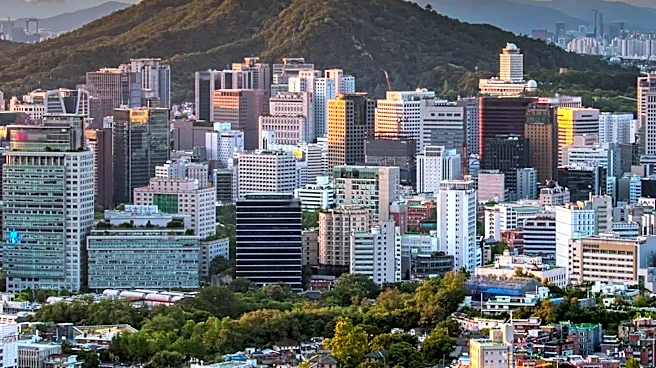
South Korea is experiencing a severe heat wave, prompting President Lee Jae Myung to declare it a national disaster. Since mid-May, the country has reported 19 heat-related deaths and over 2,220 cases of heat-related illnesses. The heat wave has also
resulted in significant livestock losses, with over 17,140 animals and 160,000 farmed fish dying. Temperatures have soared to record highs, with the southeastern city of Yangsan reaching 42.5 degrees Celsius, the highest since weather records began in 1904. The extreme heat has led to the cancellation of professional baseball games and advisories for citizens to avoid outdoor activities.
Why It's Important?
The declaration of the heat wave as a national disaster underscores the severity of the situation and the potential impact on public health and the economy. The high temperatures pose a significant risk to vulnerable populations, including the elderly and those with pre-existing health conditions. The agricultural sector is also affected, with livestock losses potentially impacting food supply and prices. The cancellation of events like baseball games highlights the disruption to daily life and the economy. The government's response will be crucial in mitigating the effects and preventing further casualties.
What's Next?
The South Korean government is expected to implement measures to protect citizens and mitigate the impact of the heat wave. This may include increasing public awareness campaigns, providing cooling centers, and ensuring adequate medical resources are available. The situation may also prompt discussions on long-term strategies to address climate change and improve infrastructure to withstand extreme weather events. The international community may watch closely to see how South Korea manages the crisis, potentially influencing global approaches to similar challenges.
Beyond the Headlines
The heat wave in South Korea highlights broader issues related to climate change and its impact on human health and the environment. The increasing frequency and intensity of such events may necessitate a reevaluation of current policies and infrastructure. Additionally, cultural practices, such as the consumption of dog meat for stamina, may come under scrutiny as the country plans to ban the practice next year. The situation also raises ethical questions about animal welfare and the need for sustainable agricultural practices.