



What's Happening?
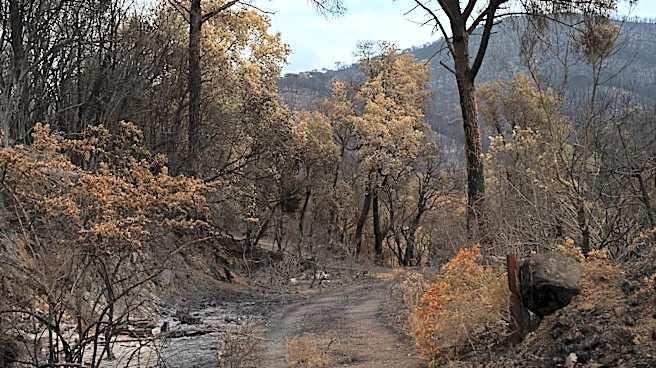
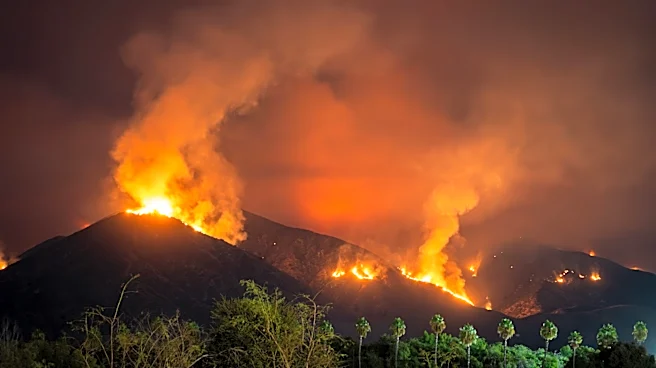
The Colorado Fire, which ignited near Yosemite National Park in Mariposa County, has burned 250 acres and remains at zero percent containment. The fire started on Tuesday near Highway 140 and Colorado Road in the Midpines area. Cal Fire is investigating
the cause of the blaze. As of Tuesday afternoon, the fire was spreading at a moderate rate towards the Merced River drainage. A total of 126 personnel from the Cal Fire Madera-Mariposa-Merced Unit are deployed, supported by 14 fire engines, four helicopters, three water tenders, two bulldozers, and three hand crews. Numerous air tankers are also conducting suppression runs when weather conditions permit. Crews are working to establish control lines to contain the flames north of Colorado Road, east of Telegraph Road, west of Buffalo Road, and south of the Merced River. Mandatory evacuation orders have been issued for zones Mariposa 546, 548, and 549, while evacuation warnings are in place for zones Mariposa 550 and 551. An evacuation shelter for residents and small animals has been set up at New Life Christian Church, and accommodations for large animals are available through county officials. Road closures include State Route 140 from Briceburg to the Bug Hostel. Forty-five structures are currently threatened, though no injuries or destroyed structures have been reported. Yosemite National Park remains open and is not currently threatened.
Why It's Important?
The Colorado Fire poses a significant threat to both property and the environment in Mariposa County, a region adjacent to the iconic Yosemite National Park. The zero percent containment status indicates an active and uncontrolled blaze, necessitating extensive firefighting efforts and immediate evacuations. Wildfires in this area can have severe ecological consequences, impacting local ecosystems, air quality, and water resources. The threat to 45 structures highlights the direct danger to residential and commercial properties, leading to potential displacement and economic losses for affected communities. Furthermore, the proximity to Yosemite National Park, while not directly threatened, raises concerns about potential impacts on tourism and the natural beauty of the region, which is a vital economic driver for the area. The ongoing efforts by Cal Fire and other agencies are crucial for mitigating these immediate and long-term impacts.
What's Next?
Firefighters will continue their efforts throughout the night to control the Colorado Fire and prevent further damage. The immediate focus is on establishing and holding control lines to contain the blaze within the designated areas. Cal Fire will likely provide updated information on containment percentages and any changes to evacuation orders or warnings. Residents in affected and surrounding areas should remain vigilant and follow instructions from emergency services. The investigation into the fire's cause will also proceed. Depending on weather conditions, particularly wind patterns and humidity, the fire's behavior could change, influencing the strategies employed by firefighting crews. The long-term recovery process for any damaged areas will begin once the fire is fully contained and extinguished.
Beyond the Headlines
The Colorado Fire is another example of the increasing frequency and intensity of wildfires in California, a trend often linked to climate change, prolonged droughts, and forest management practices. This event underscores the broader challenges faced by communities in wildland-urban interface areas, where residential development meets natural landscapes. The continuous deployment of significant resources, including personnel, aircraft, and heavy equipment, highlights the substantial financial and logistical burden of wildfire suppression. Beyond the immediate crisis, this fire will likely reignite discussions about sustainable land use, forest health initiatives, and the need for enhanced community preparedness and resilience against future fire seasons. The long-term ecological recovery of burned areas, including potential impacts on biodiversity and soil erosion, will also be a critical consideration.