




What's Happening?
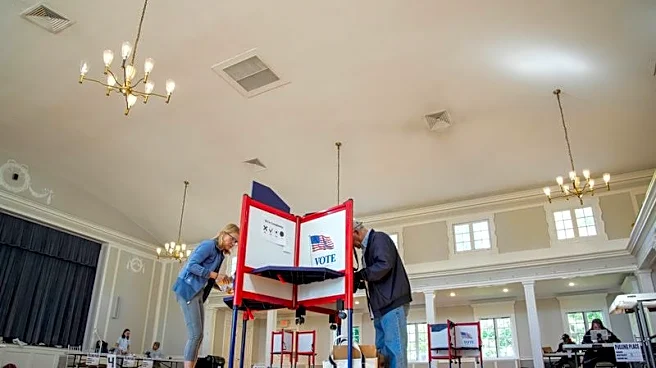
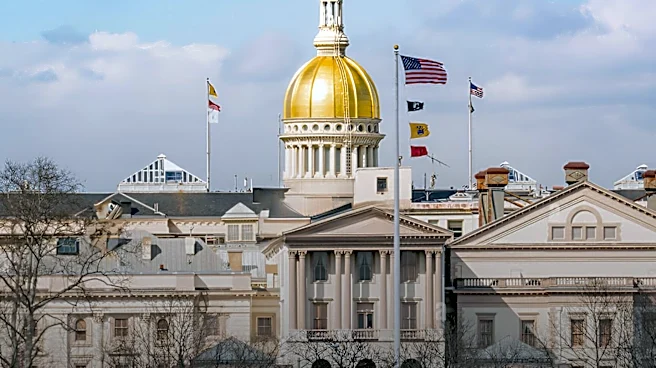
In response to a recent error in New Jersey where thousands of noncitizens were mistakenly registered to vote, several states are reviewing their voter registration systems to prevent similar issues. The error in New Jersey led to approximately 400 noncitizens casting
votes improperly. At least 11 states have announced that they are double-checking their systems or have measures in place to avoid such mistakes. This development has prompted a broader examination of voter registration processes to ensure accuracy and integrity in the electoral system.
Why It's Important?
The integrity of voter registration systems is crucial for maintaining public confidence in the electoral process. Errors like the one in New Jersey can undermine trust and raise concerns about the potential for voter fraud. By reviewing and strengthening their systems, states aim to prevent unauthorized voting and ensure that only eligible citizens participate in elections. This initiative is particularly significant in the context of ongoing debates about election security and the need for robust safeguards against potential vulnerabilities. The actions taken by these states may serve as a model for others, promoting best practices in voter registration and election management.
What's Next?
As states continue to review and enhance their voter registration systems, there may be calls for federal guidance or standards to ensure consistency and reliability across the country. Election officials will likely focus on implementing technological solutions and improving verification processes to prevent similar errors in the future. The issue may also prompt legislative discussions about the balance between accessibility and security in voter registration, with potential implications for future election policies. Stakeholders, including policymakers, election officials, and advocacy groups, will be closely monitoring these developments to ensure that electoral integrity is maintained.