





What's Happening?
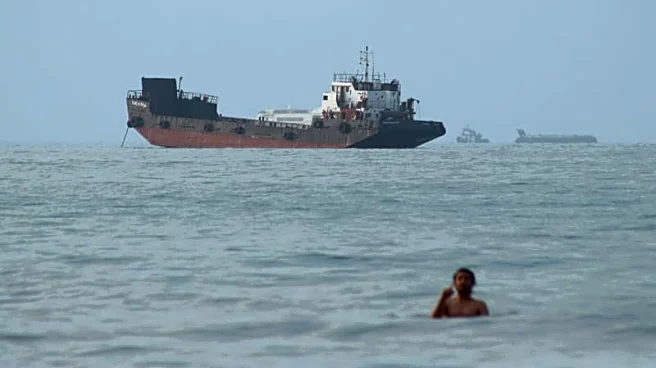
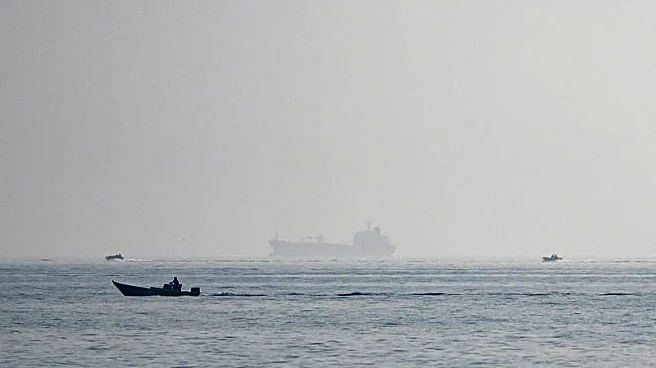
Iran's Foreign Ministry has engaged in discussions with Saudi Arabia and Oman regarding the future of the Strait of Hormuz, a critical maritime passage. Iranian Foreign Minister Abbas Araghchi held talks with Saudi and Omani counterparts to address regional
stability and the insecurity caused by U.S. actions. Oman proposed a plan for the strait's future, suggesting voluntary fees instead of mandatory tolls. These talks come amid a temporary pause in U.S.-Iran hostilities, with markets responding positively to the potential for a lasting peace agreement.
Why It's Important?
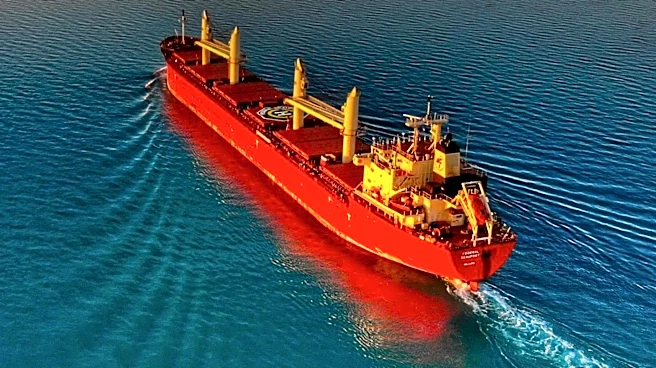
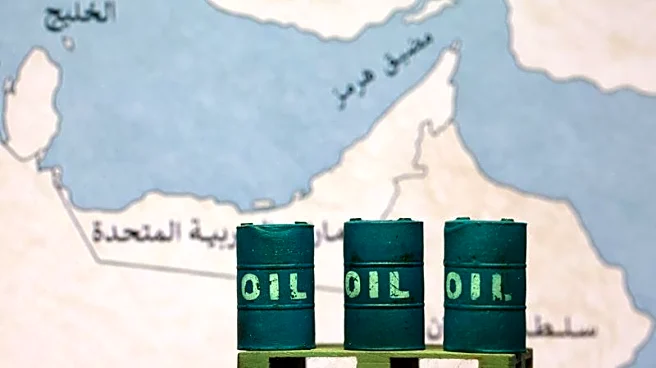
The Strait of Hormuz is a vital chokepoint for global oil shipments, and its stability is crucial for international energy markets. Diplomatic efforts to address tensions and establish cooperative frameworks could enhance regional security and economic stability. The involvement of key regional players like Saudi Arabia and Oman highlights the importance of multilateral dialogue in resolving geopolitical conflicts. A successful resolution could lead to reduced volatility in oil prices and improved relations between the U.S. and Iran.
What's Next?
The outcome of these diplomatic talks will be closely watched by global markets and political analysts. A successful agreement could pave the way for further cooperation and conflict resolution in the region. However, ongoing military actions by other Middle Eastern actors, such as Saudi Arabia's interception of drones, indicate that regional tensions remain high. Continued diplomatic engagement and confidence-building measures will be essential to achieving lasting peace and stability in the Strait of Hormuz.