







What's Happening?
Montana Republican Senator Tim Sheehy, alongside Delaware Democratic Senator Tim Coons, has introduced a bipartisan bill aimed at exposing labor abuses in Chinese-controlled mining operations in Africa. The legislation seeks to create a list of Chinese entities
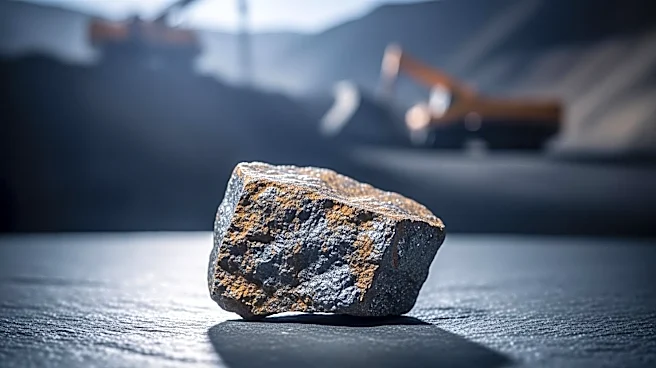
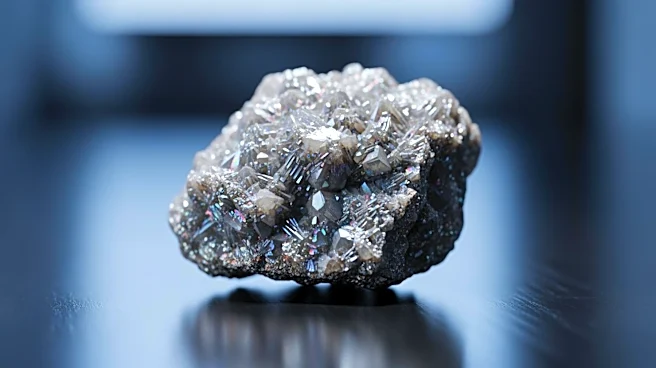
involved in child labor and environmental harm, which would be updated annually by the Secretary of State and shared with Congressional committees. This move is part of a broader effort to reduce U.S. reliance on foreign supply chains for critical minerals, which are essential for national security. The bill specifically targets countries like the Democratic Republic of the Congo, Nigeria, Guinea, Zambia, South Africa, and Zimbabwe, where forced labor and environmental degradation are prevalent. The U.S. imports significant amounts of minerals such as platinum, chromium, and palladium from these regions.
Why It's Important?
The introduction of this legislation highlights the growing concern over the ethical and environmental implications of global supply chains, particularly those controlled by China. By addressing these issues, the U.S. aims to secure its supply of critical minerals while promoting ethical labor practices. This move could potentially lead to increased domestic mineral production, reducing dependency on foreign sources. The bill also underscores the strategic importance of minerals in national security, as they are vital for various industries, including technology and defense. The legislation could impact U.S. relations with African countries and China, as it calls for greater transparency and accountability in mining operations.
What's Next?
If the bill passes, the U.S. government will begin compiling and updating the list of Chinese mining entities involved in labor abuses. This could lead to increased scrutiny of Chinese operations and potentially influence international trade policies. The legislation may also prompt other countries to adopt similar measures, further isolating unethical mining practices. Domestically, there could be a push for more sustainable and ethical mining practices, as well as increased investment in alternative sources of critical minerals. The bill's progress will be closely watched by stakeholders in the mining industry, environmental groups, and human rights organizations.
Beyond the Headlines
The legislation raises important questions about the balance between economic interests and ethical considerations in global trade. It highlights the need for sustainable practices in resource extraction and the potential long-term environmental impacts of mining. The bill also reflects a broader geopolitical strategy to counter China's influence in critical mineral markets. As the U.S. seeks to bolster its energy independence, the focus on ethical sourcing could set a precedent for other industries reliant on global supply chains. This development may also encourage innovation in recycling and alternative materials to reduce reliance on mined resources.