






What's Happening?
The International Atomic Energy Agency (IAEA) plays a critical role in overseeing nuclear materials and promoting the peaceful use of nuclear energy, as well as ensuring nuclear verification and safeguards to prevent diversion for weapons purposes. The process
of withdrawing from the Treaty on the Non-Proliferation of Nuclear Weapons (NPT) is governed by Article X(1) of the treaty, which permits a state to withdraw if it determines that extraordinary events related to the treaty's subject matter have jeopardized its supreme interests, provided it gives three months' advance notice to all other parties and the United Nations Security Council. However, the NPT does not provide a dedicated mechanism for conclusively resolving disputes over the validity of a withdrawal notification. The IAEA's safeguards agreements, which establish the legal basis for verifying that nuclear material is not diverted from peaceful uses, are often linked to NPT membership. The duration of these agreements is a separate question from NPT membership termination, and obligations concerning specific nuclear materials or facilities may persist under other legal instruments even after withdrawal. The IAEA distinguishes conclusions about declared nuclear material from broader conclusions about the absence of undeclared nuclear material and activities, with the latter requiring additional verification measures.
Why It's Important?
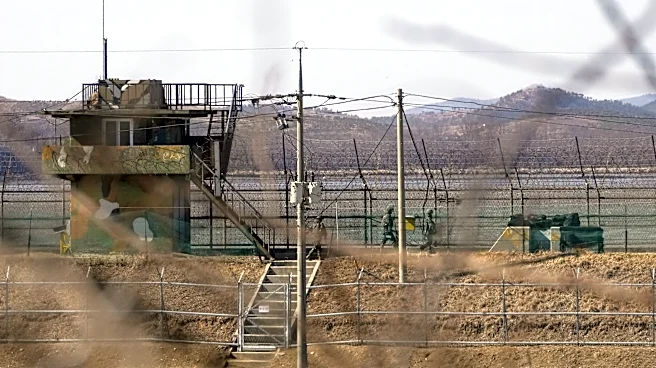
The legal complexities surrounding NPT withdrawal and the continuation of IAEA safeguards have significant implications for global nuclear non-proliferation efforts and international security. The absence of a clear, universally accepted mechanism for resolving disputes over withdrawal notifications can create ambiguity and potential instability, as demonstrated by North Korea's withdrawal. This ambiguity can undermine the effectiveness of the NPT and the IAEA's verification regime, making it harder to prevent the proliferation of nuclear weapons. The continuation of safeguards obligations on nuclear materials and facilities after NPT withdrawal is crucial for maintaining international oversight and preventing the misuse of nuclear technology. Without robust and unambiguous legal frameworks, there is a risk that states could withdraw from the NPT and potentially pursue nuclear weapons development without adequate international scrutiny, thereby increasing global security risks. The ability of the IAEA to draw comprehensive safeguards conclusions is directly impacted by a state's cooperation and adherence to its agreements, highlighting the importance of clear legal frameworks for verification.
What's Next?
The ongoing challenges in interpreting and enforcing NPT withdrawal provisions suggest a continued need for international dialogue and potential refinement of legal frameworks. The Security Council, through its Chapter VII powers, can impose measures in response to threats to international peace and security arising from NPT withdrawal, as seen in the case of North Korea. However, these measures are not automatic consequences of every withdrawal and depend on the specific circumstances and Council decisions. Future efforts may focus on strengthening the NPT review process to address withdrawal-related risks, potentially through proposals for collective responses from NPT parties, including consultations and consideration by the Security Council and IAEA Board of Governors. Additionally, states are encouraged to establish nuclear export conditions that ensure the return of specified materials and equipment or the continuation of safeguards if a recipient withdraws from its safeguards agreement. These proactive measures aim to mitigate the risks associated with NPT withdrawal and ensure continued international oversight of nuclear materials.
Beyond the Headlines
The intricacies of NPT withdrawal extend beyond immediate legal and political ramifications, touching upon fundamental principles of international law and state sovereignty. The debate over whether a state's justification for withdrawal constitutes 'extraordinary events' and 'supreme interests' highlights the tension between national discretion and international obligations. The case of North Korea underscores the limitations of existing international mechanisms in definitively resolving such disputes, leading to prolonged periods of uncertainty regarding a state's nuclear status. Furthermore, the continued applicability of independent obligations, such as those under separate nuclear cooperation agreements or customary international law, after NPT withdrawal, emphasizes the layered nature of international legal commitments. This complex interplay of treaties, customary law, and Security Council resolutions shapes the global non-proliferation landscape, requiring continuous adaptation and diplomatic engagement to uphold the integrity of the nuclear non-proliferation regime. The ethical dimension of nuclear proliferation, and the collective responsibility of the international community to prevent it, remains a core concern underlying these legal and political discussions.