





What's Happening?
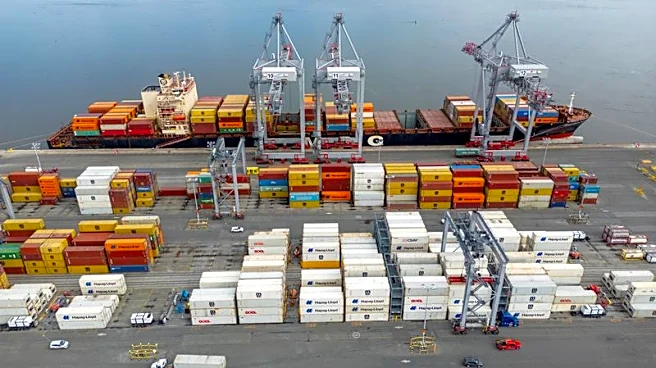
Republican Senators Chuck Grassley of Iowa and John Hoeven of North Dakota have voiced their intentions to support U.S. beef producers in expanding their herds. This comes as President Trump's administration is reportedly planning to import 300,000 metric
tons of foreign beef. The President's initiative aims to reduce consumer prices for beef. Senators Grassley and Hoeven's statements indicate a focus on domestic agricultural interests amidst a federal plan that seeks to address consumer costs through international trade. Their comments were made during a discussion regarding the future of the U.S. beef industry and the potential impacts of increased foreign imports.
Why It's Important?
This development highlights a potential divergence in strategy within the Republican party regarding agricultural policy and trade. President Trump's plan to import a significant volume of foreign beef, while intended to benefit consumers through lower prices, could directly impact the livelihoods of U.S. beef producers. Senators Grassley and Hoeven's advocacy for domestic herd growth underscores concerns about the competitiveness and sustainability of the American cattle industry. If the import plan proceeds without sufficient support for U.S. producers, it could lead to economic challenges for ranchers, potentially affecting rural economies in states like Iowa and North Dakota. Conversely, if successful, the imports could offer consumers more affordable beef options, but the long-term effects on domestic supply chains and agricultural employment remain a key consideration.
What's Next?
The immediate next steps will likely involve further discussions and potential legislative efforts by Senators Grassley and Hoeven to bolster U.S. beef production. This could include advocating for subsidies, trade protections, or other policies designed to support American ranchers. President Trump's administration will likely proceed with its plan to import foreign beef, monitoring its impact on consumer prices. The agricultural sector, particularly beef producers, will be closely watching how these contrasting approaches unfold and what specific measures are implemented to balance consumer interests with the economic well-being of domestic farmers. The upcoming months may see increased lobbying from agricultural groups and continued debate on the optimal balance between domestic production and international trade.
Beyond the Headlines
This situation touches upon broader themes of economic nationalism versus global trade, and the delicate balance between consumer welfare and producer protection. The debate over beef imports reflects a larger tension in U.S. economic policy, where the desire for lower consumer prices often clashes with the goal of supporting domestic industries. Ethically, it raises questions about the responsibility of the government to protect local industries from foreign competition, especially in vital sectors like agriculture. Culturally, the 'buy American' sentiment remains strong in many parts of the country, particularly in agricultural communities, making this a politically sensitive issue. The long-term implications could include shifts in agricultural practices, increased consolidation in the beef industry, or even changes in consumer preferences if the availability and pricing of beef fluctuate significantly.